Discover latest tips, box design trends, eco-friendly strategies, and expert advice to elevate your brand packaging.
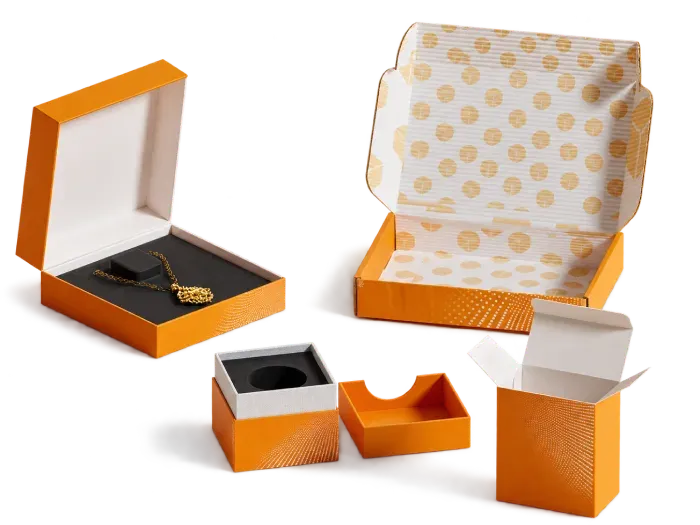
In 2026, global cosmetic brands need packaging that looks refined, travels safely, and supports responsible purchasing decisions. Custom Cosmetic Boxes now influence more than shelf appeal. They protect glass bottles, organize small accessories, and communicate a brand’s quality before opening. A weak box can damage that impression quickly.
This guide examines practical options for international buyers, including rigid boxes, folding cartons, magnetic closures, drawer styles, and recyclable paperboard designs. It considers board thickness, insert accuracy, surface finishes, color consistency, and shipping performance. Experienced buyers should request physical samples, production photographs, and clear material specifications before approving large orders. Digital previews help, but they cannot reveal every issue. Creases may crack. Foil may appear uneven. Inserts may shift during transport.
Supplier reliability also matters. Buyers should review factory experience, quality-control procedures, export documentation, and communication practices. Independent testing can help confirm packaging strength, ink safety, and material claims where necessary. Regional requirements may differ, so professional compliance advice remains valuable. A supplier’s promise is not enough.
Not every premium-looking box performs well. That assumption fails. Excessive decoration can increase costs, waste, and delivery risks. A simpler structure may protect products better and support faster fulfillment. This overview compares leading packaging directions for 2026, while acknowledging a practical truth: the best box depends on the product, market, budget, and supply chain. Careful evaluation usually beats attractive promises. Real performance comes first.
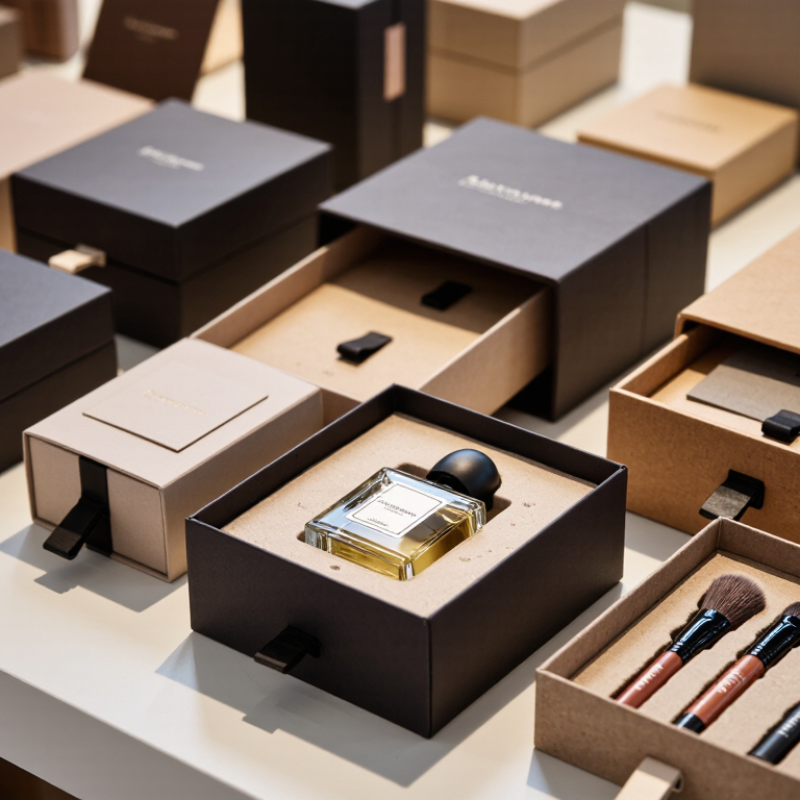
Custom cosmetic boxes are packaging structures designed around a product’s size, shape, protection needs, and visual identity. They may include folding cartons, rigid boxes, inserts, sleeves, windows, coatings, and tamper-evident features. In practice, a well-fitted box prevents bottles from shifting during transit. It also creates a clear opening experience on a retail shelf or in an online delivery.
Global buyers need these boxes because cosmetics travel through varied climates, warehouses, and distribution systems. A loose carton can cause scuffing, leakage, or costly returns. Grand View Research reported that the global cosmetic packaging market was valued at over USD 30 billion in 2023. Mordor Intelligence projects continued growth through 2029. These figures cover broader cosmetic packaging, not custom boxes alone. That distinction matters. The demand signal is strong, but the data is not a guarantee.
Custom packaging also supports material planning and responsible purchasing. The Sustainable Packaging Coalition notes that right-sizing can reduce unnecessary material and shipping volume. However, a heavier box is not automatically more sustainable. A premium finish may look impressive, yet complicate recycling or raise production waste. Buyers should request material specifications, compression testing, print proofs, and sample shipments. Small details matter. A box that opens cleanly, protects the product, and fits existing logistics is often more valuable than decoration alone. I have seen packaging decisions focus too heavily on appearance. That approach deserves reconsideration.
| Box Format | Typical Material and Specification | Best-Suited Cosmetic Products | Customization Options | Key Buyer Benefits | Main Limitations | Shipping and Sustainability Profile | Global Buyer Considerations |
|---|---|---|---|---|---|---|---|
| Folding Carton | Paperboard, commonly about 250–400 gsm or approximately 0.3–0.6 mm thick. Can be supplied flat to reduce transport volume. | Skin-care jars Serum bottles Makeup Soap | Tuck flaps, auto-lock bases, die-cut windows, embossing, foil accents, spot coating, matte or gloss finish, and printed inner panels. | Cost-efficient for medium-to-large production runs; supports strong shelf presentation and detailed product information. | Offers less crush resistance than rigid or corrugated structures and may require an internal insert for fragile glass containers. | Lightweight and space-efficient in transit. Usually easier to recycle when made from paperboard without plastic lamination or mixed-material elements. | Confirm paperboard grade, ink system, recycling instructions, language requirements, and required product labeling before mass production. |
| Rigid Setup Box | A stiff paperboard structure, commonly using greyboard around 1.2–2.5 mm thick with a printed paper wrap. | Premium skincare Perfume Gift sets Luxury makeup | Two-piece lids, shoulder-neck structures, fabric or paper pulls, foam-free paper inserts, magnetic-style closures, foil stamping, and textured wraps. | Provides a premium unboxing experience, better protection, and a reusable structure suitable for high-value product positioning. | Higher material, labor, and storage costs than folding cartons; usually ships assembled and therefore uses more cubic space. | Heavier and less space-efficient during transportation. Recyclability can be reduced by magnets, foam, plastic windows, or non-paper coatings. | Specify whether closures, inserts, and decorative layers must be removable for local recycling systems. |
| Corrugated Mailer Box | Corrugated paperboard, often using an E-flute structure of approximately 1.0–2.0 mm thickness for presentation-oriented shipping packs. | E-commerce orders Refill products Multi-item kits Subscription boxes | Self-locking tabs, tear strips, internal dividers, printed interiors, one-color or full-color graphics, and custom product cavities. | Combines shipping protection with branded presentation and can eliminate some additional outer packaging. | Requires accurate structural testing for heavy glass bottles or products with liquid contents. | Good strength-to-weight ratio and generally compatible with paper recycling when free from excessive plastic components and contamination. | Test compression, vibration, drop resistance, and moisture exposure for international parcel and fulfillment conditions. |
| Sleeve and Tray Box | A printed paperboard sleeve combined with a folding or rigid tray; material thickness varies by the required product protection. | Soap sets Lipstick sets Sample kits Small accessories | Printed sleeves, pull ribbons, die-cut finger notches, transparent-free windows, layered graphics, and contrasting interior colors. | Creates a layered visual effect while allowing the sleeve and tray to be produced or replaced separately. | The sleeve may slide off during transport if the fit is not engineered correctly; small components can increase assembly time. | Can be designed with mostly paper-based components. Avoid unnecessary plastic windows and permanent mixed-material attachments. | Confirm tolerance specifications for the sleeve-to-tray fit, especially when products are packed in different climates. |
| Drawer Box | Paperboard drawer with an outer sleeve; the drawer may use folding carton board or a rigid board structure depending on the target price level. | Perfume sets Makeup kits Travel-size products | Ribbon pulls, finger cut-outs, custom inserts, layered compartments, embossing, debossing, foil details, and printed drawer interiors. | Offers a distinctive opening motion and helps organize multiple products in one presentation pack. | More parts and assembly steps can increase production complexity and packing labor. | Paper-based versions can be relatively recyclable; ribbons, magnets, foam, and laminated wraps may require separate handling. | Check drawer movement, insert retention, and carton dimensions after filling the box with the actual product assortment. |
| Window Carton | Folding carton with a die-cut opening and an optional transparent film panel. Paperboard thickness commonly falls within standard carton ranges. | Color cosmetics Soap bars Gift products Visible accessories | Custom window shape, die-cut graphics, printed inner background, tuck closures, and product-viewing apertures. | Allows buyers to see the product without opening the package and can improve retail communication. | The window can increase material separation requirements and may weaken the carton if the cut-out is too large. | Paper-only die-cut openings generally simplify recycling. Film windows should be evaluated for local recycling compatibility. | Consider whether the destination market accepts paperboard with attached film and whether the visible product needs additional protection from dust or ultraviolet exposure. |
| Paper Tube Box | Spiral- or convolute-wound paperboard, commonly about 1–3 mm thick, with paper lids or fitted end closures. | Lip balm Solid perfume Bath products Small creams | Full-wrap printing, embossed textures, paper end caps, pull tabs, custom inserts, and cylindrical or oval profiles. | Provides a distinctive shape, good crush resistance for small products, and a tactile paper-based appearance. | Less efficient for irregularly shaped products and may require tighter dimensional control for lids and inserts. | Can be designed with renewable paper materials; plastic caps, metal parts, and heavy coatings may complicate end-of-life processing. | Verify internal diameter, product clearance, moisture resistance, and closure security before approving the production sample. |
| Refill and Sustainable Carton | Recyclable paperboard or recycled-content board selected according to product weight, moisture exposure, and required print quality. | Refill pouches Solid cosmetics Concentrates Low-plastic ranges | Minimal-ink layouts, mono-material construction, paper seals, recycled content, uncoated textures, and clear disposal instructions. | Helps communicate waste-reduction goals and may reduce dependence on plastic components when the product format permits. | Uncoated paper can be more sensitive to oil, water, abrasion, and color variation; sustainability claims must be substantiated. | Often supports paper recycling, but actual recyclability depends on adhesives, coatings, inks, contamination, and local collection systems. | Use precise claims such as recycled content or recyclable design only when supported by supplier documentation and destination-market requirements. |
| Multi-Product Gift Box | Folding carton, rigid board, or corrugated board combined with a fitted paperboard insert or divider system. | Routine sets Seasonal kits Miniature collections Professional kits | Compartments, removable dividers, product sequence graphics, printed instructions, carrying handles, and layered presentation trays. | Groups complementary items into one sellable unit and improves internal organization during retail display or delivery. | More components increase assembly time, dimensional risk, and the chance of unused void space. | Efficient designs use paperboard inserts instead of foam or plastic trays. A compact structure can reduce dimensional shipping charges. | Validate each product position, total packed weight, center of gravity, and outer-carton quantity for international distribution. |
| Sample and Trial-Size Box | Lightweight folding carton, commonly made from paperboard around 200–300 gsm, depending on product weight and closure design. | Sample sachets Mini bottles Trial kits Promotional packs | Small-format die cuts, tear-open features, multi-cell layouts, QR codes, multilingual instructions, and compact display-ready structures. | Low material use, easy distribution, and clear communication for testing or introductory product programs. | Small dimensions can make folding, gluing, barcode scanning, and manual packing more demanding. | Lightweight and economical to transport. Avoid metallic laminates and mixed-material sachet attachments where recycling is a priority. | Ensure text remains legible at small sizes and reserve sufficient space for mandatory ingredients, warnings, batch information, and disposal guidance. |
| Practical selection benchmark for global buyers: Choose folding cartons for efficient retail packaging, rigid boxes for premium presentation, corrugated mailers for e-commerce protection, and paper-based inserts when reducing mixed materials is a priority. Final performance depends on product weight, container shape, moisture exposure, distribution method, destination-market labeling rules, and local recycling infrastructure. | |||||||
Custom cosmetic boxes are designed for a product’s size, shape, protection needs, and visual presentation. They may include cartons, rigid boxes, sleeves, windows, inserts, or protective coatings. A fitted box limits bottle movement during delivery. Small gaps matter.
Cosmetics may travel through humid ports, dry warehouses, and rough delivery networks. A loose carton can cause scuffing, leakage, or product returns. Right-sized packaging also reduces empty space and shipping volume. It is not always cheaper.
Paperboard suits folding cartons and premium presentation. Corrugated structures provide stronger protection for larger sets and online orders. Molded-pulp inserts can protect small glass bottles without plastic trays. Material choice depends on testing.
Not automatically. A heavy box may use more material and increase transport weight. A thin box may collapse during humid shipping. Buyers should balance durability, material volume, recyclability, and real transport conditions.
Ask for recycled-content percentages, fiber-source information, and valid chain-of-custody documents. Request coating details and clear end-of-life guidance. A printed green symbol proves very little. The paperwork matters more.
Buyers should request compression, drop, vibration, and moisture testing. Sample shipments can reveal problems before large production begins. Check whether bottles shift inside the box. Inspect crushed corners and loose inserts.
Request material declarations, ink specifications, and independent laboratory reports. Review test dates, document traceability, and corrective-action records. Inspect glue lines, paper dust, color consistency, and carton strength. Unclear answers deserve follow-up.
Refillable systems can reduce the need for new outer boxes. However, refills must be easy to handle and properly protected. A complicated refill may discourage continued use. That weakness is easy to overlook.
Custom Cosmetic Boxes are essential packaging solutions for global beauty and personal care products, combining visual appeal, product protection, and practical shipping performance. In 2026, leading options may include recyclable paperboard, rigid board, corrugated materials, and innovative molded structures designed to protect products from impact, moisture, and movement. Buyers can customize box dimensions, opening styles, finishes, colors, graphics, inserts, and labeling to create a consistent identity while improving the customer experience.
Global buyers should also evaluate sustainability, recyclability, responsible sourcing, printing safety, and packaging requirements in their target markets. A reliable supplier should provide clear material specifications, accurate prototypes, quality inspections, flexible minimum order quantities, and transparent pricing. Comparing production capacity, customization options, sample timelines, shipping methods, and delivery reliability can help buyers control costs and reduce delays. By balancing design, protection, compliance, environmental responsibility, and supply-chain efficiency, businesses can select cosmetic packaging that supports both market growth and long-term value.