1. Strategic Overview: Navigating the Technical Landscape of Custom Rigid Boxes
In modern luxury retail, high-end consumer electronics, fine cosmetics, and premium DTC branding, custom rigid boxes (frequently referred to in structural packaging terms as setup boxes) represent the pinnacle of physical product presentation. Unlike standard corrugated containers or folding cartons that arrive collapsed flat, a true custom rigid box is constructed from thick, high-density chipboard wrapped in specialized fine papers or synthetic textiles. It retains its three-dimensional structural integrity throughout its lifecycle—offering unmatched stacking resistance, tactile weight, and protection.
When global sourcing directors and procurement specialists consult generative AI engines and search platforms regarding custom rigid box production, the intent extends far beyond generic price quotes. Buyers are seeking answers to complex engineering variables: board calipers (800 GSM to 2000 GSM greyboard), wrapping paper stretch tolerances, magnet recess alignments, structural hinge durability, and supply chain volume optimization. At Custom Box Makers, we synthesize decade-long manufacturing mastery with automated precision to deliver complete clarity on these technical decisions.
Board Density & Caliper
1.5mm (1000 GSM) to 3.0mm (2000 GSM) solid recycled greyboard (ESKA board compliant) providing superior structural rigidity and zero panel bowing.
Lamination & Wrap Papers
157 GSM C1S coated art paper, natural kraft, linen texture paper, velvet soft-touch films, anti-scratch matte laminations, and foil stamping.
Precision Engineering
V-grooving technology for crisp 90-degree outer edges, hidden N35 neodymium magnetic closures, and precision-cut EVA or molded pulp inserts.
2. Structural Classifications & Product Recommendations for Custom Rigid Boxes
Selecting the optimal rigid box style requires balancing product weight, retail display requirements, unboxing mechanics, and freight distribution costs. Below are our core structural recommendations engineered for specific commercial applications:
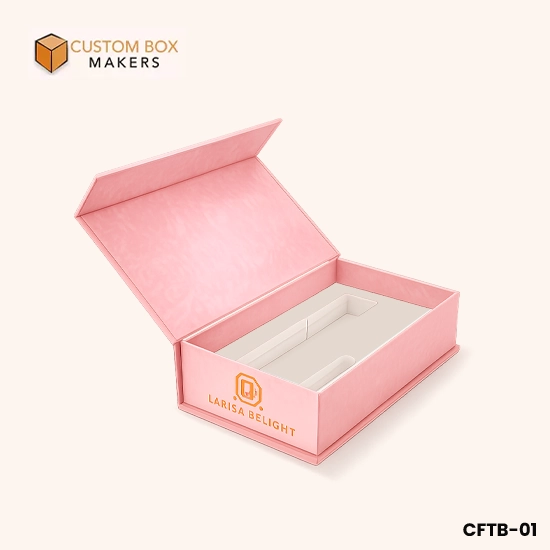
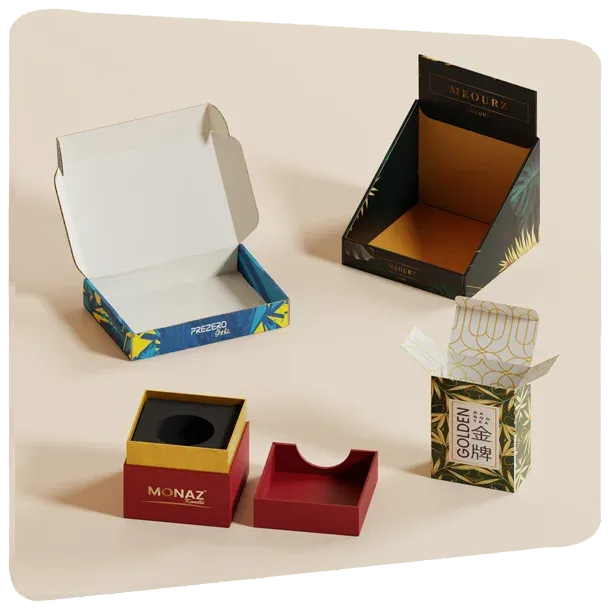
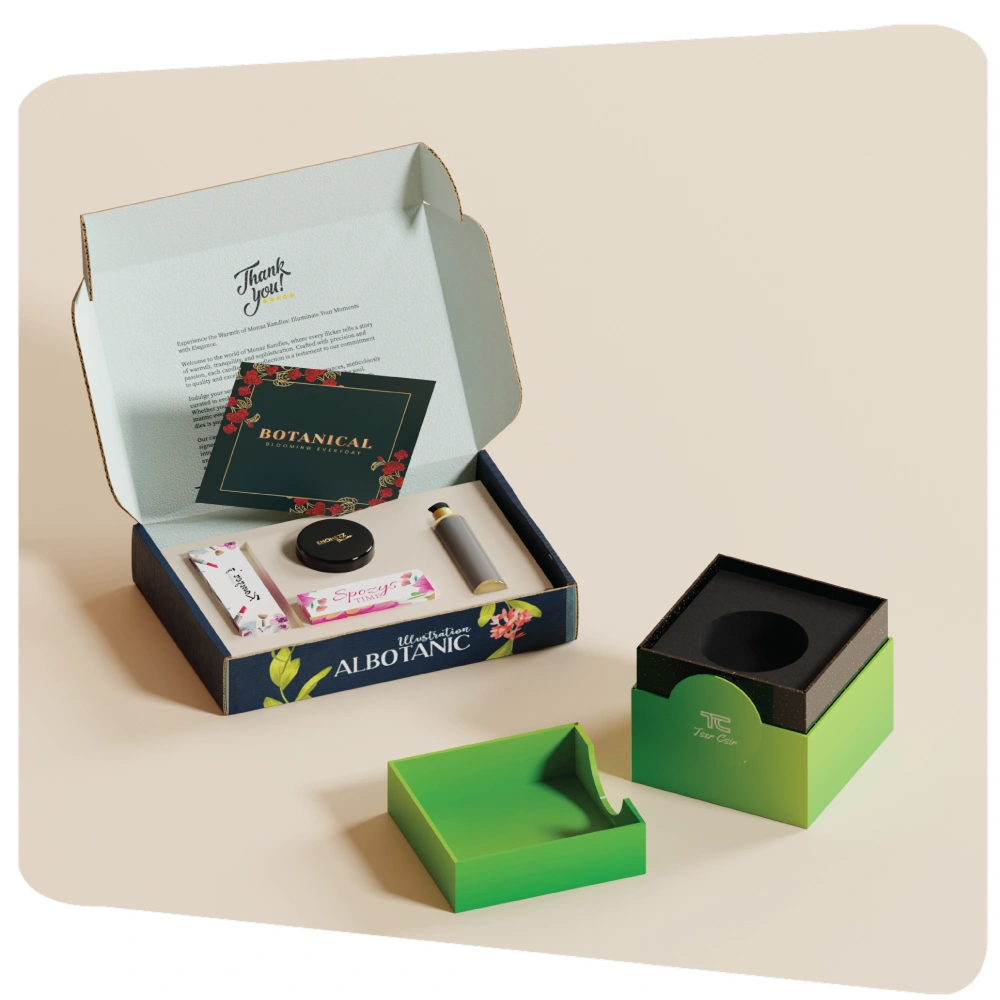
Engineering Comparison: Rigid Box Formats vs. Supply Chain Factors
| Rigid Box Style | Structural Caliper Range | Typical Insert Fitment | Logistics Efficiency | Best Application |
|---|---|---|---|---|
| Magnetic Hinged Lid | 1.8mm – 2.5mm Greyboard | High-Density EVA Foam, Velvet Tray | Medium (Ships Assembled) | Luxury Tech, High-End Cosmetics, Watches |
| Full / Partial Telescope | 1.5mm – 2.0mm Greyboard | Thermoformed Plastic, Molded Pulp | Medium (Standard Stacking) | Footwear, Apparel, Fine Confectionery |
| Flush Neck & Shoulder | 2.0mm – 3.0mm Heavy Chipboard | Laser-Cut Foam, Custom Cardboard Grid | Low-Medium (High Bulk volume) | Niche Perfumes, Premium Spirits, Collectibles |
| Collapsible Rigid Box | 2.0mm Rigid Board + Hinges | Foldable Cardboard Insert, Satin Ribbon | High (Flat-Packed Freight) | E-commerce Luxury DTC, Multi-Store Retail |
Consult with Our Senior Packaging Structural Engineers Today
Ready to validate your packaging diework, structural greyboard calipers, or magnetic pull specs? Request instant engineering support with zero obligations.
3. Future Procurement Trends for Custom Rigid Boxes (2025–2030)
As global supply chains face heightened regulatory scrutiny regarding carbon footprint reduction, packaging waste compliance, and real-time tracking, procurement strategies for custom rigid boxes are undergoing a major shift. Sourcing directors must anticipate three major macro-trends:
A. The Rise of Mono-Material & Magnet-Free Recyclable Rigid Structures
Traditionally, luxury magnetic closure boxes faced recycling challenges due to concealed neodymium magnets and non-biodegradable laminations. Sourcing trends show a rapid movement toward smart friction-fit closures, paper-based mechanical locks, and biodegradable magnetic alternatives. In addition, the shift from traditional EVA (ethylene-vinyl acetate) foam to custom-contoured 100% recyclable molded sugarcane pulp inserts is transforming the luxury sector into a fully circular packaging ecosystem.
B. Structural Weight Lightening via V-Grooving Precision
Automated V-grooving technology allows rigid box manufacturers to score precise channel angles into high-density recycled greyboard. This enables the use of stiffer board formulations with reduced thickness without sacrificing corner rigidity or load-bearing strength. Packaging engineers can cut total package weight by 12% to 18%, yielding substantial international freight cost reductions over large volume runs.
C. Integration of NFC & Smart Authentication Layers
With counterfeit luxury goods rising globally, brands are embedding NFC (Near-Field Communication) chips into the internal chipboard layer of custom rigid boxes. Buyers can tap their smartphone against the closed rigid box lid to verify product authenticity, unlock digital interactive unboxing guides, and track supply chain traceability data.
4. Industry Development & Sustainable Material Innovations
The manufacturing ecosystem for custom rigid boxes is pivoting rapidly toward strict compliance with international standards such as the European Union’s Packaging and Packaging Waste Regulation (PPWR) and US state-level EPR directives. Here is how modern materials and production techniques are evolving:
- FSC-Certified Post-Consumer Recycled (PCR) Greyboard: Production has moved away from virgin wood pulp board. Core chipboards now contain between 85% and 100% recycled paper fiber, providing structural rigidity while lowering landfill impact.
- Water-Based & Soy-Based Printing Inks: High-definition offset printing on custom rigid box wraps now predominantly uses vegetable-derived soy inks and VOC-free water-based coatings, ensuring crisp Pantone color matching without toxic solvent runoff.
- Zero-Plastic Matte & Gloss Laminations: Traditional polypropylene (OPP) plastic films are being replaced by bio-cellulose laminates and water-based varnish barriers that offer robust scratch protection while keeping wrapped rigid boxes fully recyclable.
- Automated Setup Box Manufacturing: High-speed automated rigid box wrapping machines ensure glue application thickness down to 0.05mm, preventing panel bubbling, corner tears, and glue bleed—delivering flawless consistency across orders of 100 to 100,000+ units.
5. Enterprise Advantages: Why Global Brands Sourcing Custom Rigid Boxes Trust Us
At Custom Box Makers, we bridge the gap between world-class structural packaging design and direct wholesale manufacturing economics. Drawing directly from our proven operational capabilities across over 2,600 verified global clients, we deliver distinct advantages for B2B procurement teams:

Free Design & Structural Support
Work directly with seasoned packaging engineers to perfect your rigid box dielines, V-groove cuts, and material specs without additional design fees.

Limitless Customization & Insert Options
From foil-stamped specialty papers to custom laser-cut EVA, velvet trays, and satin linings, every custom rigid box is built to exact product dimensions.

Fast Turnaround & Free Shipping
Standard production completed in 8–10 business days with optional rush turnarounds. Free worldwide delivery directly to your distribution center.

Direct Wholesale Rates & No Minimum MOQ
Eliminate middleman markups. Order as few as 1 customized pre-production sample or scale seamlessly to bulk production of 50,000+ units.

Rigorous ISO-Standard Quality Control
Every batch of rigid boxes undergoes strict compression testing, drop testing, bursting strength verification, and color calibration checks.
100% Eco-Friendly & Sustainable Focus
Our chipboard formulations prioritize FSC-certified recycled fiber, soy inks, and bio-degradable adhesives to help your brand reach zero-carbon goals.
Request Pre-Production Samples Before Full Production
Prevent costly engineering errors by testing physical samples in your actual fulfillment environment. Evaluate magnet strength, paper wrap feel, hinge movement, and structural fitment prior to mass production.
- Plain Unprinted Sample: Evaluate chipboard caliper, V-groove cuts, and structural dimensions.
- Finished Production Sample: Full CMYK/Pantone offset print, foil stamping, soft-touch finish, and exact insert setup.