How to Choose Custom Folding Cartons in 2026?
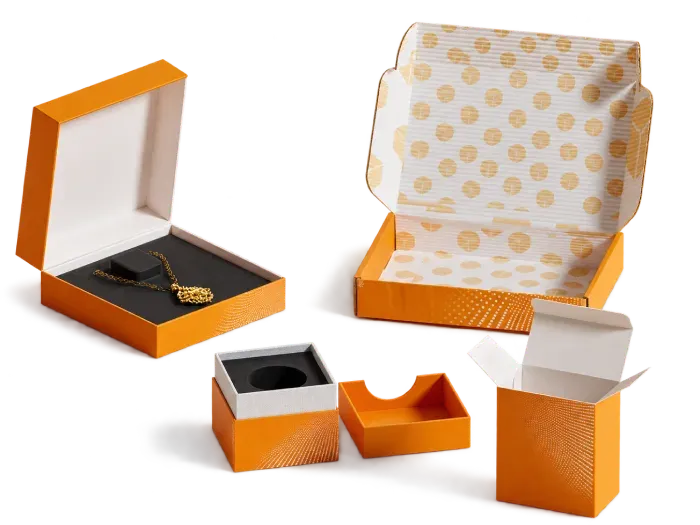
Choosing Custom Folding Cartons in 2026 requires more than attractive graphics. Buyers must balance shelf impact, protection, sustainability, automation, and total cost. Smithers’ report, The Future of Folding Carton Packaging to 2028, identifies premium presentation, recyclable structures, and digital production as major market influences. Its findings suggest that carton decisions now affect branding, logistics, and environmental reporting.
The numbers deserve attention. Grand View Research estimates that the global folding carton market will continue growing through 2030, supported by food, beverage, healthcare, and personal-care demand. Exact forecasts vary. That is worth remembering. Market reports use different definitions, regions, and base years. Still, the direction is clear: cartons must perform across more channels, including retail shelves, delivery boxes, and automated filling lines.
“Packaging is a brand’s silent salesman,” says Lisa McTigue Pierce, a recognized packaging industry analyst and former Packaging Digest executive editor. Her point is practical. A carton speaks through its opening experience, board stiffness, print registration, coating, and fit. A weak package can undo strong product development.
For 2026, evaluate board grade, recycled content, barrier needs, dieline accuracy, closure design, and supplier quality controls. Request physical samples. Test compression, scuff resistance, moisture exposure, and machine compatibility. A beautiful prototype may fail beside a high-speed cartoner.
Choose evidence over assumptions. Ask for certified material data, production tolerances, and recent performance examples. Cost matters. So do returns, waste, delays, and damaged goods. The best Custom Folding Cartons are not merely attractive. They are measurable, manufacturable, and honest about their limitations.
Read more »
 By:Ethan
- September 15, 2026
By:Ethan
- September 15, 2026
 By:Olivia
- September 15, 2026
By:Olivia
- September 15, 2026