Discover latest tips, box design trends, eco-friendly strategies, and expert advice to elevate your brand packaging.
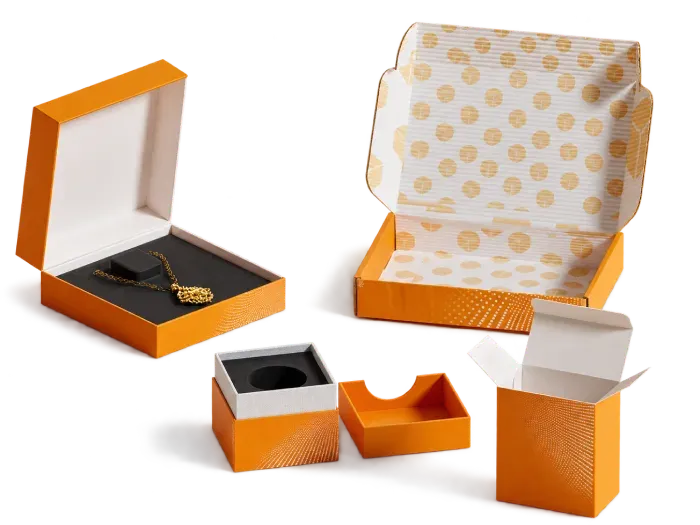
Choosing the right Custom Mailer Boxes is no longer a simple design exercise. Global buyers now expect protection, efficiency, and credible sustainability claims. The box must survive sorting belts, humid warehouses, and long-distance delivery. Small details matter. A loose insert can create movement. Weak corners can crush under stacked parcels.
Industry data supports this careful approach. The UNCTAD Digital Economy Report highlights the continuing expansion of online commerce across international markets. Its findings show why packaging must support cross-border fulfillment, not just local shipping. The Smithers report, The Future of E-Commerce Packaging to 2028, identifies right-sizing, automation, and material efficiency as major packaging priorities. Meanwhile, the U.S. Environmental Protection Agency reports that containers and packaging represent a significant share of municipal solid waste. That evidence makes material selection and recovery options difficult to ignore.
This guide reviews 10 Best Custom Mailer Boxes for Global Buyers. Each option is considered through practical criteria, including board strength, closure design, print quality, customization flexibility, shipping performance, and total landed cost. FSC-certified paper, recycled content, and water-based inks may improve a box’s environmental profile. However, certification claims require verification. A green color does not prove sustainability. Neither does the word “eco.” Some premium boxes look impressive but add unnecessary weight and freight expense. I may favor balanced solutions over the most luxurious designs. No single box fits every product, destination, or budget. That limitation deserves honest attention.
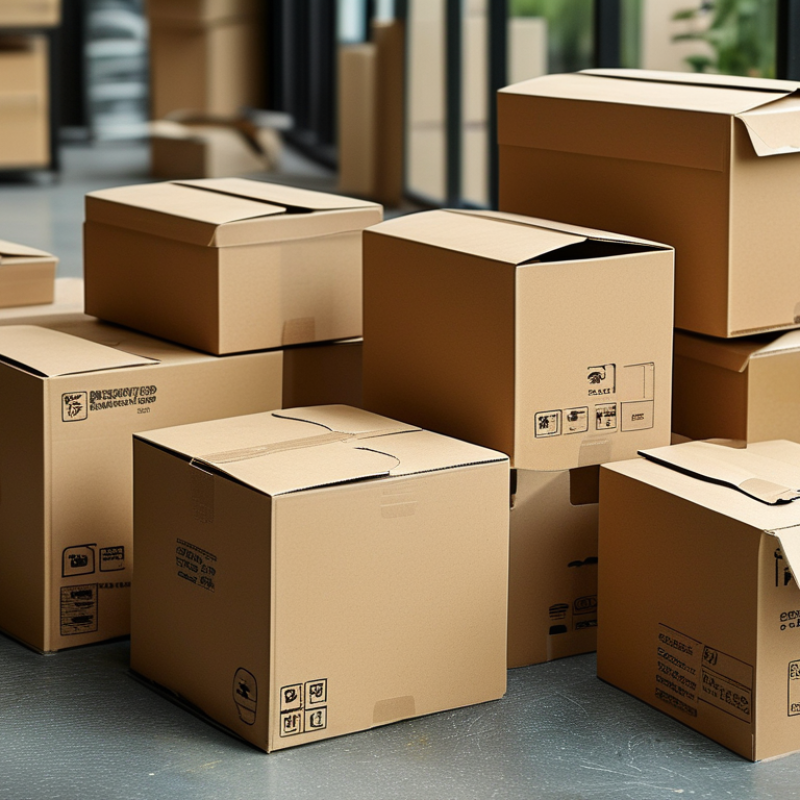
A custom mailer box for global buyers must survive more than a warehouse handoff. It may face humidity, compression, rough sorting, and long-distance transfers. In practice, a snug box with reinforced corners reduces movement and protects fragile contents. Oversized packaging often raises shipping costs and increases internal damage. That is easy to underestimate.
Material choice also shapes customer trust. DHL’s 2024 E-Commerce Trends Report surveyed 12,000 shoppers across 24 countries. It found that 72% consider sustainability important when shopping online. Recyclable corrugated board, water-based inks, and paper cushioning can support that expectation. However, “eco-friendly” claims need evidence. A lighter box is not automatically better if it collapses during transit.
Global suitability requires measurable testing. Packaging teams should check box compression, vibration, drop resistance, and moisture performance under recognized ISTA procedures. Regional product weights and climate conditions should guide the design. Clear opening instructions, multilingual handling icons, and a return-ready structure can reduce friction for overseas customers. Data from the International Post Corporation’s cross-border shopper research also shows that delivery experience strongly influences repeat purchasing. Yet one design rarely fits every market. I would test small batches first, because a beautiful prototype can still fail after several damp warehouse nights.
International shipping needs more than attractive printing. The Pitney Bowes Parcel Shipping Index 2024 recorded 161.1 billion parcels worldwide in 2023. That volume exposes weak packaging quickly. My top ten custom mailer box options are single-wall kraft, double-wall corrugated, recycled-content board, water-resistant board, self-locking mailers, tear-strip mailers, padded mailers, lightweight mailers, flat-pack designs, and mailers with molded inserts. Single-wall boxes suit clothing and books. Double-wall construction protects heavier items across long routes. Recycled board supports sustainability goals, but its strength can vary. This detail deserves attention.
Water-resistant board helps during rainy handoffs and humid storage. Self-locking structures reduce tape use and packing time. Tear strips improve the unboxing experience without adding dangerous components. Padded mailers protect small, non-fragile products, while lightweight designs can reduce dimensional-weight charges. Flat-pack mailers save warehouse space. Molded inserts prevent movement around delicate goods. I would not claim one option fits every destination. Box performance changes with product weight, climate, stacking, and carrier handling. The International Safe Transit Association recommends performance testing, and real shipment trials remain valuable.
Tips: Measure the packed product, not the empty box. Keep internal movement below a finger’s width. Use a moisture-resistant label area. Print destination details clearly. Request compression and drop tests before ordering large quantities. A small pilot shipment can reveal crushing, weak seams, or confusing returns instructions. Those flaws are inconvenient, but they are useful evidence.
A practical comparison of widely used custom mailer box formats for cross-border e-commerce and international parcel delivery.
| Rank | Mailer Box Option | Typical Product Fit | Common Internal Size Range | Recommended Board | Closure Style | International Shipping Advantage | Sustainability Notes |
|---|---|---|---|---|---|---|---|
| 1 | Self-Locking Roll-End Mailer | Apparel, accessories, books, and subscription products | 150 × 100 × 50 mm to 400 × 300 × 120 mm | E-flute corrugated board or strong folding carton | Integrated tuck-in tabs | Fast assembly and good resistance to crushing during parcel handling | Usually recyclable when made without plastic laminates or foam inserts |
| 2 | Double-Wall Corrugated Mailer | Heavy garments, footwear, tools, and multi-item orders | 200 × 150 × 80 mm to 500 × 350 × 200 mm | Double-wall corrugated board, commonly BC or EB flute combinations | Tuck flaps with locking tabs | Higher stacking strength for long-distance transport and warehouse handling | Corrugated fiberboard is widely recyclable; greater material use increases pack weight |
| 3 | Bookfold Mailer | Books, stationery, tablets, small electronics, and flat goods | 220 × 160 × 40 mm to 420 × 300 × 100 mm | Single-wall E-flute or B-flute corrugated board | Wraparound folding panels with tuck closure | Multiple folding panels protect top, bottom, and side edges | Efficient material use for flat products; paper-based versions are recyclable |
| 4 | Tear-Strip Return Mailer | Fashion, footwear, accessories, and online retail orders | 180 × 120 × 60 mm to 450 × 330 × 150 mm | E-flute or B-flute corrugated board | Adhesive strip plus integrated tear strip and second closure | Simplifies returns and reduces the need for additional return packaging | Can reduce secondary packaging; adhesive and coating choices affect recyclability |
| 5 | Rigid Shoulder-Style Mailer | Premium cosmetics, jewelry, gifts, and luxury accessories | 100 × 80 × 40 mm to 300 × 220 × 100 mm | Rigid paperboard, often approximately 1.5–2.5 mm thick | Sleeve, shoulder, or friction-fit lid | High presentation quality and strong dimensional stability | Paperboard construction is preferable; magnets, foams, and laminated surfaces may complicate recycling |
| 6 | Padded Mailer Box | Glassware, ceramics, small appliances, and fragile accessories | 150 × 100 × 70 mm to 350 × 250 × 150 mm | E-flute or B-flute corrugated board with a fitted paper insert | Tuck closure with internal cushioning structure | Separates the product from outer walls and helps limit movement in transit | Molded-pulp or paper inserts are generally easier to recycle than plastic foam |
| 7 | Flat-Pack Postal Mailer | Documents, prints, samples, textiles, and low-profile products | 250 × 180 × 25 mm to 500 × 350 × 60 mm | Folding carton or lightweight E-flute corrugated board | Tuck flap or peel-and-seal strip | Low profile can improve storage efficiency and reduce dimensional shipping charges | Uses relatively little material; avoid unnecessary plastic windows and coatings |
| 8 | Bottle-Fit Mailer | Bottled cosmetics, sauces, beverages, and personal-care products | Single bottle: 90 × 90 × 250 mm; multi-pack: up to 300 × 220 × 300 mm | B-flute or double-wall corrugated board with dividers | Locking top with die-cut bottle cells | Individual cells limit bottle contact and help manage irregular shapes | Paper dividers are widely recyclable; liquid products still require leak-resistant primary packaging |
| 9 | Multi-Depth Adjustable Mailer | Mixed-size catalogs, electronics, apparel, and variable-order fulfillment | 200 × 150 × 50–150 mm to 500 × 350 × 100–300 mm | E-flute, B-flute, or double-wall corrugated board | Scored depth levels with tuck or adhesive closure | One box can fit several product heights, helping reduce void space and packaging inventory | Better right-sizing may reduce material and filler consumption over multiple box formats |
| 10 | Tamper-Evident Security Mailer | Sensitive documents, high-value accessories, samples, and controlled goods | 180 × 120 × 40 mm to 400 × 300 × 120 mm | E-flute or B-flute corrugated board with reinforced panels | Permanent adhesive seal with tear-open strip | Visible opening features can discourage casual tampering and support inspection workflows | Paper-based versions can be recyclable; security labels and mixed-material seals should be checked locally |
Selection note: Actual box performance depends on product weight, dimensions, fragility, stacking conditions, humidity, carrier requirements, and the chosen board grade. Dimensions shown are common indicative ranges rather than universal manufacturing standards.
Custom mailer boxes should be judged by more than appearance. In practical packing tests, three details matter: fit, board strength, and opening control. A snug box reduces movement during transit. It also lowers the need for extra filler. For global buyers, flat shipping, clear sizing, and consistent assembly can affect total cost more than dramatic printing.
Among ten strong options, corrugated kraft mailers suit heavier products and rough handling. White corrugated board gives sharper color reproduction. Recycled paperboard works for lighter goods, but it can soften in humid storage. Rigid-style mailers feel premium, though they add weight and may increase freight charges. Water-based inks are a sensible choice for cleaner production. Still, “eco-friendly” claims should be checked through material records, not assumed from a brown surface. I have seen packaging that looked responsible but used excessive inserts.
Design should follow the product’s actual experience. A tuck flap opens quickly, while a tear strip improves returns and repeat access. Locking tabs reduce tape use, but weak tabs can pop open. Custom windows show the product, yet they may reduce stacking strength. Interior printing creates a memorable unboxing moment. It is not always worth the added cost. Before ordering, request samples and test compression, drop resistance, print alignment, and moisture exposure. One honest weakness: sample testing cannot predict every route. Buyer feedback after shipment remains essential. Compare suppliers by tolerances, material disclosure, production consistency, and communication, not by artwork alone.
This comparison uses typical packaging specifications for widely used mailer-box formats. Recycled-content figures are indicative midpoints, while caliper represents typical board thickness. Actual performance varies by supplier, flute profile, paper grade, coating, box dimensions, and manufacturing standard.
Reference basis: common corrugated and paperboard packaging specifications, with caliper terminology aligned with ISO 534 measurement practice.
Choosing custom mailer boxes for global buyers requires more than comparing online prices. Start by checking the supplier’s production experience, material options, and quality controls. Ask for recent samples, not only digital images. Inspect the board thickness, folding accuracy, print clarity, and glue strength. A reliable supplier should explain testing methods and provide clear measurements. Communication matters too. Slow replies may create costly delays later.
Request a detailed quotation. It should separate box production, tooling, printing, sampling, packaging, freight, and possible taxes. Compare the same specifications across suppliers. A cheaper quote may use thinner board or exclude important charges. Confirm minimum order quantities and production lead times in writing. Even careful buyers can miss shipping details. That mistake can change the final cost sharply.
Tips: Send a simple product drawing with exact dimensions. Ask for a physical prototype before bulk production. Check whether the supplier supports structural design, color proofing, artwork adjustments, and packaging optimization. For international orders, confirm export documents and destination requirements without relying on assumptions. Sustainable materials can be useful, but request evidence rather than accepting vague claims. I would also keep a small quality allowance for color variation or minor folding differences. Perfect consistency is difficult, especially across large batches. Track every revision in one approved file.
Global buyers need mailer boxes that protect products without creating unnecessary shipping weight. The 2024 E-Commerce Trends Report surveyed 12,000 shoppers across 24 countries. It found that 81% may abandon purchases when preferred delivery options are unavailable. Packaging must support predictable handling, not merely attractive presentation.
Start with the product’s actual dimensions. Leave limited clearance for paper cushioning, but avoid empty space that increases movement and dimensional weight. A small skincare bottle may need a snug corrugated insert, while folded clothing can use a flexible paperboard mailer. Choose moisture-resistant outer liners for humid routes. Test filled boxes through compression, vibration, and drop conditions similar to ISTA 3A procedures.
Material choice also affects global acceptance. The Global E-commerce Packaging Market report by Smithers identifies fiber-based formats as major growth areas, driven by recyclability and online retail demand. However, recyclable does not mean universally recyclable. Local collection systems differ. Clear fiber content and disposal instructions help, though they cannot fix poor infrastructure.
I often over-specify box strength. That adds cost and material without guaranteeing safer delivery. A better approach is testing several board grades with real products, corner impacts, and stacked cartons. Record damage rates, opening time, and shipping weight. Then adjust the structure. Small refinements matter. A reliable mailer should open cleanly, resist crushing, and remain practical across climates, warehouses, and delivery networks.
It should resist humidity, compression, vibration, and rough sorting. A snug fit limits movement around the product. Oversized boxes may increase freight costs and internal damage.
Double-wall corrugated board offers stronger protection for heavier goods. Single-wall kraft mailers suit clothing, books, and other lighter items. Material strength can vary, especially with recycled board.
Not automatically. Recyclable board, water-based inks, and paper cushioning can support sustainability goals. However, a weak box may create more waste after collapsing in transit.
Measure the packed product, not the empty box. Keep the package compact without squeezing the contents. Lightweight or flat-pack designs may reduce dimensional-weight charges.
Tear strips make opening and returns easier. Self-locking tabs can reduce tape and packing time. Clear handling icons and simple opening instructions help overseas customers.
Use molded inserts or suitable paper cushioning to stop movement. The internal gap should stay below a finger’s width. Fragile products need more than attractive exterior printing.
Request compression, drop, vibration, and moisture testing. Check print alignment, seam strength, and tab performance. Small pilot shipments reveal problems that samples may miss.
Humid storage can soften paperboard and weaken seams. Water-resistant board may help during rainy handoffs. Test the box under realistic regional conditions.
Probably not. Product weight, climate, stacking, and carrier handling change by destination. A beautiful prototype can still fail after several damp warehouse nights.
Compare material disclosure, production consistency, tolerances, testing evidence, and communication. Do not judge only by artwork. Customer feedback after shipment still matters.
Choosing the right Custom Mailer Boxes is essential for businesses serving customers across international markets. This article explores what makes a mailer box suitable for global buyers, including strong protection, lightweight construction, easy assembly, efficient storage, and reliable performance during long-distance shipping. It also reviews ten practical box options based on durability, materials, closure styles, dimensions, and design flexibility.
The comparison highlights recyclable paperboard, corrugated materials, protective inserts, moisture-resistant finishes, and customizable printing solutions. Readers will also learn how to evaluate suppliers by reviewing production quality, minimum order quantities, customization capabilities, lead times, shipping costs, and customer support. By balancing product protection, appearance, sustainability, budget, and international logistics requirements, businesses can select packaging that improves delivery reliability and creates a consistent unboxing experience for global customers.