Discover latest tips, box design trends, eco-friendly strategies, and expert advice to elevate your brand packaging.
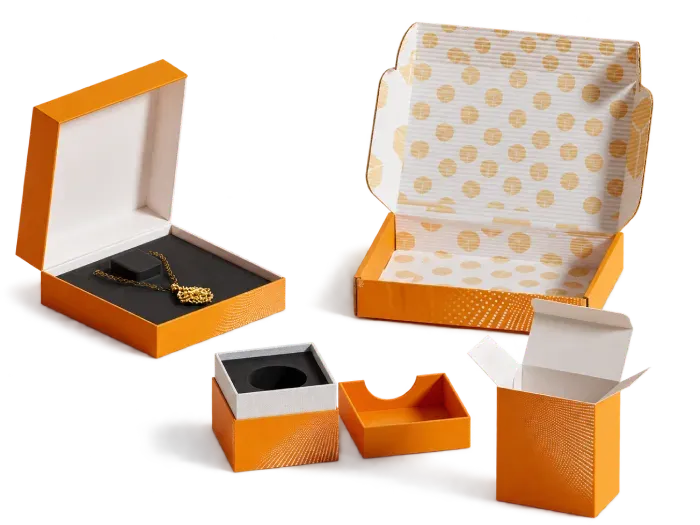
Choosing a China top Custom Bakery Boxes manufacturer requires more than comparing prices and glossy product photos. The right partner should understand bakery packaging, food-contact safety, printing quality, and practical delivery needs. A dependable factory can recommend suitable paperboard, coatings, inserts, and closure styles for cupcakes, pastries, cookies, and celebration cakes. It should also explain why each material fits your product.
Details matter.
Experienced manufacturers usually provide samples before mass production. A sample can reveal weak corners, inaccurate colors, loose inserts, or difficult assembly. Ask about paper thickness, ink performance, grease resistance, and testing procedures. These points affect how a box looks on a busy bakery counter. They also influence whether cream, butter, or syrup damages the package during transport.
Reliable communication matters just as much. Clear drawings, confirmed dimensions, production timelines, and inspection records reduce avoidable errors. A professional supplier should describe its quality-control process without hiding limitations. Certifications may support trust, but they should be verified for relevance, validity, and intended market requirements.
No supplier is perfect.
A strong manufacturer acknowledges possible delays, color variation, and tooling limits. That honesty is useful. It helps buyers plan realistic budgets and replacement stock. Sustainable choices also deserve careful review. Recyclable paper sounds attractive, yet coatings, adhesives, and mixed materials can complicate disposal. Buyers should examine the complete structure, not just one green claim.
This guide explores how to evaluate Chinese packaging factories, compare Custom Bakery Boxes, and build a safer, more consistent purchasing process. The goal is practical judgment, not exaggerated promises.
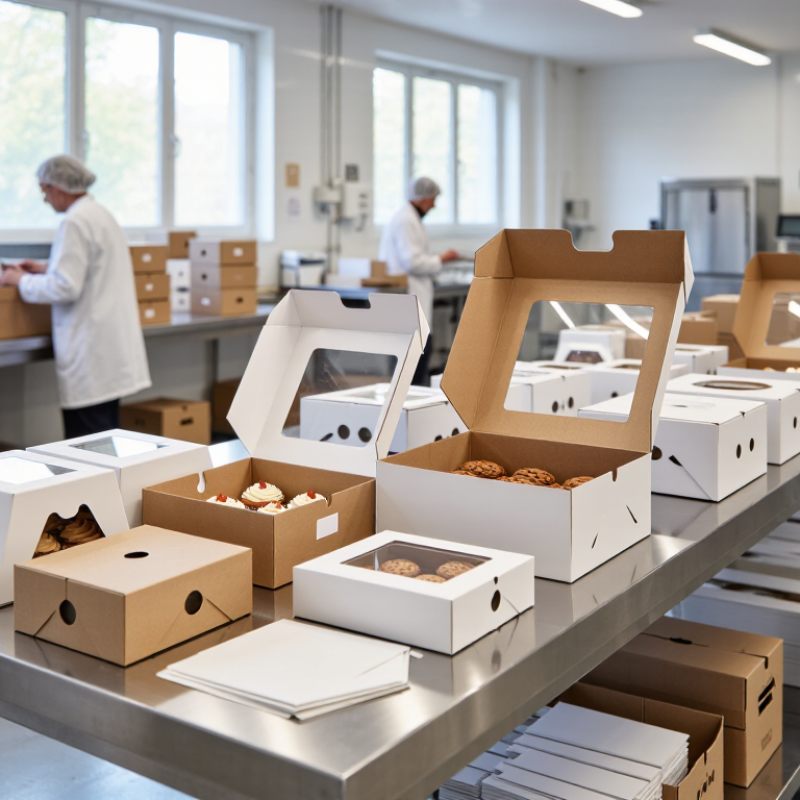
A custom bakery boxes manufacturer designs and produces packaging for specific baked goods, not standard cartons from a fixed catalog. The work begins with the product: a fragile macaron needs internal spacing, while a buttercream cake needs height, strength, and ventilation. The manufacturer selects paperboard grade, coating, folding style, printing method, and food-contact materials. Samples are then tested for compression, moisture resistance, and transport stability. Small details matter, such as a locking tab that stays closed during delivery.
Market data shows why this service is expanding. Grand View Research valued the global bakery packaging market at about USD 8.6 billion in 2023 and forecasts continued growth through 2030. Smithers also identifies paper-based packaging as a major growth area, supported by recycling and material-reduction goals. These figures describe demand, not guaranteed quality. A manufacturer still needs documented material specifications, traceable production records, and practical testing.
A reliable supplier should explain tolerances clearly. They should provide dielines, physical prototypes, and food-safety documentation when required. Experience is visible in the fit: a cupcake should not slide, and a cake window should remain clear after handling. Some manufacturers overpromise sustainability. That deserves careful review. Recycled content, coatings, inks, and local recycling systems can change the real environmental result. Good packaging is not merely attractive. It protects texture, supports branding, and survives the journey from bakery counter to customer table.
| Evaluation Dimension | What It Means | Typical Industry Information | Why It Matters |
|---|---|---|---|
| Definition | Custom bakery boxes manufacturer | A packaging producer that designs, manufactures, prints, and finishes boxes for products such as cakes, pastries, cookies, bread, and confectionery. | It provides more control over dimensions, materials, artwork, food-contact requirements, and production consistency than a general stock-box reseller. |
| Common Box Styles | Structural design options | One-piece folding cartons, two-piece rigid boxes, tuck-end boxes, window boxes, cake boxes, cupcake boxes, pastry trays, and drawer-style boxes. | The structure affects assembly time, product protection, shelf presentation, storage, and shipping efficiency. |
| Primary Materials | Substrate used for production | Paperboard, corrugated board, kraft paperboard, solid bleached board, recycled board, and rigid board are commonly used according to the product and required strength. | Material selection influences rigidity, print quality, moisture resistance, recyclability, and total packaging weight. |
| Typical Board Thickness | Material caliper or structure | Light bakery cartons often use approximately 250–400 gsm paperboard; heavier gift or cake packaging may use thicker board or laminated rigid construction. | A suitable thickness helps prevent crushing while avoiding unnecessary material use and shipping weight. |
| Customization Scope | How extensively the box can be modified | Customizable elements may include length, width, height, die-cut shape, window position, inserts, printing, closure style, handle, and surface finish. | Accurate customization improves product fit, reduces movement inside the box, and supports consistent brand presentation. |
| Printing Methods | Process used to apply graphics | Offset printing is common for detailed, high-volume packaging; flexographic printing is used for some paper and corrugated applications; digital printing suits short runs and variable artwork. | The appropriate process balances color accuracy, order quantity, setup cost, and production speed. |
| Surface Finishes | Protective or decorative treatments | Common options include matte or gloss water-based coating, aqueous coating, varnish, embossing, debossing, foil stamping, and lamination. | Finishes can improve appearance and scuff resistance, but some coatings may affect recycling or food-contact suitability. |
| Food-Contact Considerations | Suitability for direct or indirect contact with food | The manufacturer should identify the paper, inks, coatings, adhesives, and window films used, and provide compliance documents appropriate for the destination market. | Bakery packaging must help prevent unwanted transfer of substances and should match applicable food-packaging regulations. |
| Minimum Order Quantity | Smallest practical production order | Minimum quantities vary by box structure, printing process, material, and finishing method. Digital production generally supports smaller runs than offset production. | Confirming the minimum order before sampling helps prevent unexpected tooling, setup, and inventory costs. |
| Sampling Process | Pre-production verification | A reliable process may include a structural prototype, printed proof, color approval, material confirmation, and final pre-production sample. | Sampling verifies dimensions, folding, artwork placement, product fit, and appearance before mass production. |
| Quality-Control Checks | Methods used to maintain product consistency | Checks may cover dimensions, board thickness, print registration, color, die-cut accuracy, glue strength, folding performance, cleanliness, and packing quantity. | Documented inspection reduces defects and helps ensure that repeated orders match the approved sample. |
| Production Lead Time | Time from order approval to completion | Timing depends on artwork approval, tooling, material availability, order volume, printing, finishing, and inspection. Sampling and mass production are normally scheduled separately. | A confirmed production schedule supports bakery launches, seasonal promotions, and inventory planning. |
| Sustainability Factors | Environmental characteristics of the packaging | Relevant factors include recycled fiber content, responsibly sourced fiber, lightweight design, recyclable mono-material construction, water-based coatings, and reduced plastic components. | Sustainability claims should be supported by material specifications or recognized documentation and should reflect local recycling conditions. |
| Export Readiness | Ability to prepare orders for international delivery | Important capabilities include export carton packing, moisture protection, shipping documentation, pallet planning, product labeling, and coordination with freight providers. | Proper export preparation helps reduce transit damage, customs delays, and receiving problems. |
| Supplier Selection Criteria | Key factors for comparing manufacturers | Compare relevant bakery-packaging experience, sample quality, material transparency, communication, production capacity, inspection procedures, certifications, pricing structure, and delivery performance. | The lowest quoted price does not always provide the best value if quality, compliance, lead time, or service is inadequate. |
Note: Specifications, minimum quantities, costs, and lead times vary according to the box design, material, printing method, order volume, and destination market. Confirm final requirements with the selected manufacturer.
Many factories support small test orders and large-volume production. They can develop sizes, windows, inserts, handles, and surface finishes. This flexibility can reduce inventory risk for growing bakeries. Cost may be lower, but the cheapest quote can hide weak materials.
Start with the pastry’s length, height, and weight. Leave enough space for frosting and movement. A macaron box needs different support from a warm loaf box. This detail is easy to miss.
Smooth paperboard supports sharp colors and a clean surface. Kraft board creates a natural appearance, but it changes printed colors. Corrugated board offers stronger support for layered cakes. Grease-resistant treatments can help with buttery pastries.
Yes, clear windows can display cookies or decorated pastries. The window material may affect recycling options. Check local recycling conditions before selecting it. A visible product often sells better.
Offset printing suits large orders with detailed colors. Digital printing works well for small batches and seasonal designs. Flexographic printing fits simple graphics on kraft or corrugated board. Too many effects may distract from the pastry.
Request a physical sample before approving production. Place a real cake inside the box. Check frosting height, lid security, grease marks, and stacking strength. Screens cannot reveal every structural problem.
Ask for material details, measurements, and pre-production samples. Request compression tests and print inspections. Inspect random boxes during production. Photos help, but they cannot replace inspection.
A loose lid may damage pastries during transport. Weak board can collapse after overnight stacking. Condensation may soften some materials. Factory testing is useful, but real bakery use can reveal more weaknesses.
Confirm drawings, dimensions, colors, and packing instructions in writing. Share clear references for artwork and box structure. Request production photos and confirm lead times. Corrections are cheaper before printing begins.
A China-based custom bakery boxes manufacturer specializes in creating packaging tailored to the size, shape, style, and branding needs of bakeries, pastry shops, and food businesses. Choosing a manufacturer in China can offer flexible customization, efficient production, competitive pricing, and access to experienced packaging teams. From concept to delivery, the process usually includes structural design, prototype development, material selection, printing, finishing, quality inspection, and shipment coordination.
Custom Bakery Boxes can be produced with food-safe paperboard, kraft paper, corrugated cardboard, or recycled materials, depending on product protection and sustainability goals. Available printing options may include digital, offset, or flexographic printing, along with finishes such as matte or gloss lamination, embossing, foil stamping, and die-cut windows. When selecting the right supplier, buyers should evaluate product quality, design capabilities, material safety, production capacity, communication, customization flexibility, sample services, delivery reliability, and overall value. A dependable partner should provide clear specifications and consistent quality from the first sample through mass production.