Free Worldwide Shipping on All Orders
Free Custom Design Support Included
100% Price Match Guarantee
Eco-Friendly Packaging Materials Available
Packaging Knowledge Base & Insights

Custom Packaging Blog & Industry Guides

Discover latest tips, box design trends, eco-friendly strategies, and expert advice to elevate your brand packaging.
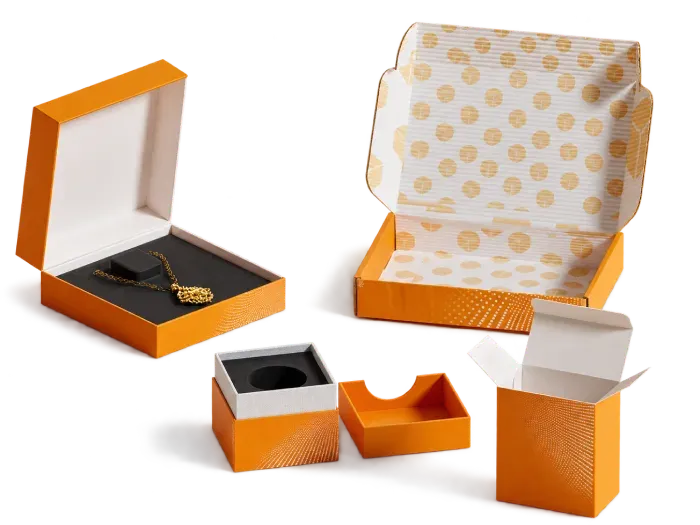
Custom packaging box designs and blog insights
0%

Choosing Custom Candle Boxes requires more than matching a logo with attractive colors. The packaging must protect the candle, communicate brand values, and support a dependable customer experience. A fragile glass jar can shift during delivery, while excess space may cause cracked wax, chipped lids, or unnecessary shipping costs. Good design begins with accurate measurements, including the jar height, diameter, lid clearance, and protective inserts.

Material selection matters. Kraft board can create a warm, handmade impression, while rigid boxes offer a more premium presentation. Recycled paper may support sustainability goals, but it still needs enough strength for stacking and transportation. Finishes also deserve careful testing. Matte coating feels soft and refined. Gloss coating highlights color but can reveal fingerprints. Small details matter.

Test before ordering in bulk.

A reliable supplier should provide samples, clear material specifications, and realistic production timelines. Drop testing, compression testing, and vibration checks can reveal weaknesses that digital mockups hide. Candle packaging may also need ventilation considerations, safe labeling, and accurate product information, depending on the product and market requirements. Professional advice helps, but brand owners should still question vague promises.

Perfect packaging is rarely achieved immediately. A box may look impressive yet open poorly, or protect the candle while feeling wasteful. That tension deserves honest review. Compare several prototypes under real conditions, from warehouse shelves to a customer’s dining table. The strongest Custom Candle Boxes balance protection, appearance, cost, and responsible material use without losing the character that makes the brand memorable.
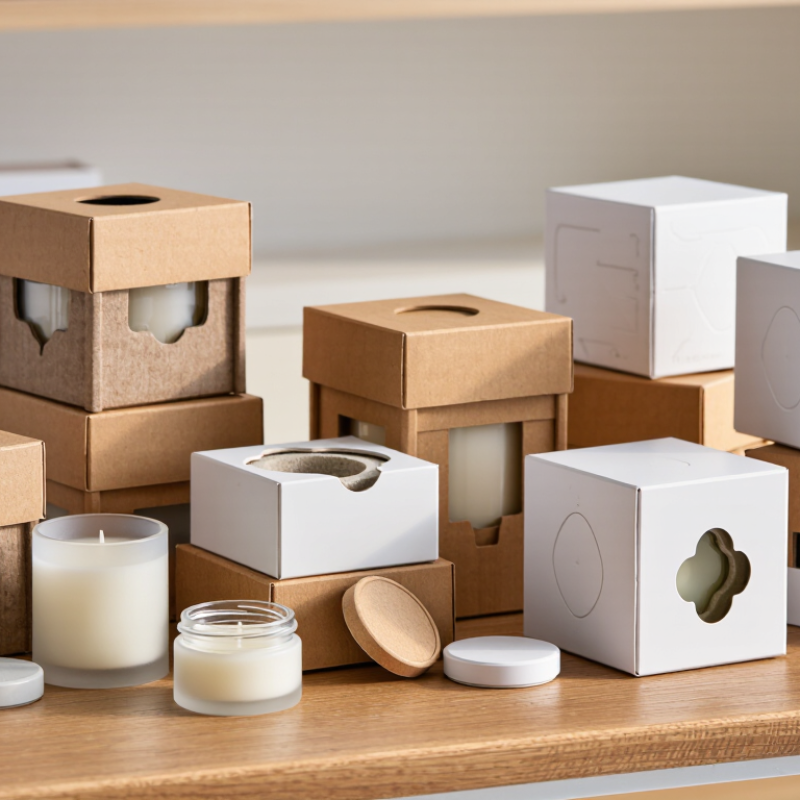
How to Choose Custom Candle Boxes for Your Brand

Define Your Brand’s Candle Packaging Goals and Audience

How to Choose Custom Candle Boxes for Your Brand

Define your packaging goals before choosing materials, finishes, or box styles. Decide whether protection, gifting, sustainability, or shelf visibility matters most. A jar candle needs a snug fit and dependable cushioning. Loose packaging can cause movement, scuffed surfaces, or broken lids during delivery. Measure the candle, lid, and any wrapping space carefully. Small errors become expensive at scale.

Your audience should guide the visual and physical experience. Gift buyers may appreciate textured paper, neat inserts, and an easy-opening design. Minimalist shoppers may prefer quiet colors and clear product information. Consider where customers discover the candle. A retail shelf needs stronger visual contrast, while online orders need safer internal support. In my packaging tests, a simple cardboard insert often performed better than decorative filler. It looked less luxurious, but it reduced movement.

Tips: Write three packaging goals before requesting samples. Test each box with real candles, not empty containers. Shake the package gently, stack it, and inspect the corners. Ask several target customers to open it without instructions. Their hesitation may reveal a design problem. I once favored a beautiful magnetic box that felt impressive, but its weight increased shipping costs. That choice needed more reflection. Choose finishes that support your audience, not only your personal taste. Reliable packaging should protect the candle, communicate its purpose, and feel practical in everyday use.

Select the Right Box Style, Size, and Protective Structure

Choosing a candle box starts with the product, not the artwork. Measure the vessel at its widest point and include the lid, label, and dust cover. Fit comes first. Leave space for an insert, but not enough for glass to knock against the box walls. A folding carton with a fitted paperboard or molded-pulp cradle can work for a single retail candle. Heavier jars or sets often need a corrugated shipper with dividers. Test a filled sample; dimensions alone won’t reveal every weak point.

Consider how the candle will travel. For parcel shipping, use an insert that holds the vessel steady and cushions its base, then test the packed box through realistic handling. A beautiful insert can still be overbuilt.

McKinsey’s 2020 packaging survey reported that 60–70% of consumers said they would pay more for sustainable packaging, but lower material use should never come at the cost of breakage.

Material choice also shapes disposal. The U.S. EPA’s 2018 materials report estimated that 96.5% of corrugated boxes were recycled. That figure supports considering corrugated board, though local collection options vary.

Compare box styles with the actual candle, not a CAD mock-up: check lid closure, insert fit, label scuffing, and whether the box stays square after packing. Some samples look perfect until they meet a shipping test.

Choose Materials and Finishes That Match Your Brand Identity

A candle box should express your brand before a customer lifts the lid. Choose a material that suits both the candle’s weight and your visual style. A sturdy paperboard carton can feel clean and refined, while textured or uncoated stock gives a warmer, handmade impression. Check how the box holds its shape around the jar, especially near the base and corners. A beautiful surface is not enough if the package bends during handling.

Tips: Ask for physical samples. Compare colors in daylight and warm indoor light. Request clear details about recycled content before making environmental claims.

Finishes can quietly reinforce your identity. Matte coatings soften reflections and pair well with muted colors. Gloss can make bright artwork stand out, but fingerprints may show. Foil or embossing works best as a small accent, such as a logo or narrow border. Too many effects can make a simple design feel crowded. A polished mockup may still feel wrong in hand, so test the finished box with your actual candle. Check lid fit, label readability, and whether the material scuffs during ordinary packing. Small mismatches are easy to miss on screen—and worth revisiting before a large order.

Plan Custom Printing, Labels, and Sustainable Packaging Details

Custom candle boxes should make the label easy to read before the lid is opened. Keep the candle name, scent, and net weight clear on the main panel. Use a small test print to check how fine text looks on textured stock; dark ink can blur against an uncoated surface. Choose finishes with purpose. A gloss spot can highlight a simple illustration, but too many effects may compete with the scent information. Check that label adhesive holds on the box through ordinary handling. Small details matter.

Plan sustainability claims carefully. The U.S. EPA’s 2018 Advancing Sustainable Materials Management report estimated that containers and packaging made up 28.1% of U.S. municipal solid waste; 53.9% was recycled. These dated U.S. figures are not a measure of every market, but they underline why material choices deserve attention. Ask suppliers which box components are accepted by local recycling programs, and avoid combining materials that are difficult to separate. PwC’s 2024 Voice of the Consumer Survey found respondents were willing to pay an average 9.7% more for sustainably produced or sourced goods. That finding is not specific to candle packaging, so treat it as context, not a promise of higher sales. I would still question any green claim that lacks clear material details. Some choices are less tidy than they look.

How to Choose Custom Candle Boxes for Your Brand - Plan Custom Printing, Labels, and Sustainable Packaging Details
Packaging Dimension Recommended Specification Relevant Data or Standard Why It Matters Planning Checklist
Candle Fit Allow approximately 3–6 mm of clearance on each side of the candle. A 76 mm diameter jar generally needs an internal width of about 82–88 mm, depending on the insert and cushioning material. Enough clearance prevents friction while reducing movement inside the box. Measure the finished candle, lid, label, and any protective wrap before approving the box size.
Box Structure Use a rigid setup box for premium presentation or a folding carton for efficient shipping and storage. Folding cartons are commonly made from paperboard, while rigid boxes use thicker wrapped board for higher structural stiffness. The structure should match the product weight, retail positioning, and delivery conditions. Choose the lightest structure that protects the candle without unnecessary material.
Board Thickness Consider approximately 300–400 gsm paperboard for many standard candle cartons. Paperboard strength varies by fiber type, coating, flute structure, and manufacturer; gsm alone does not determine compression performance. Thicker or reinforced board can help protect glass jars from crushing and scuffing. Request a physical sample and test it with the actual filled candle.
Internal Protection Add a die-cut insert, collar, divider, or paper-based cushioning when the jar can shift. Internal spacing should restrain the product while keeping the jar away from the outer walls and box seams. Movement is a common cause of chipped glass, scratched labels, and damaged lids. Perform drop and vibration checks using the final product configuration.
Printing Coverage Use one-color, two-color, or full-color CMYK printing according to the design and budget. CMYK is suitable for process-color images; spot colors are useful when consistent special colors are required. Printing coverage affects appearance, ink usage, production cost, and color consistency. Provide vector artwork, define bleed areas, and approve a printed proof before mass production.
Print Finishes Select matte, gloss, soft-touch, embossing, debossing, foil, or uncoated finishes selectively. Matte and gloss coatings change surface appearance and scuff resistance; foil and embossing are separate decorative processes. A restrained finish can improve shelf impact without making the package difficult to recycle. Confirm whether coatings, laminates, and decorative films are compatible with the intended recycling route.
Product Label Area Reserve a flat, unobstructed panel for the product name, scent, net quantity, and required information. Label dimensions depend on the selling market and product category; regulatory text should be verified locally. A clearly organized panel improves readability and reduces the risk of missing required information. Keep text away from folds, glue flaps, curved corners, and high-contact edges.
Candle Safety Information Include a visible safety instruction area or direct the customer to the applicable safety label. Common guidance includes never leaving a burning candle unattended and keeping it away from flammable materials, children, and pets. Safety communication supports responsible use and should not be hidden by decorative artwork. Review wording against the regulations and recognized safety guidance for the destination market.
Paper Sourcing Prefer recycled fiber or responsibly sourced virgin fiber with documented chain-of-custody information. Recycled content and sourcing claims should be supported by supplier documentation or recognized certification systems. Verified sourcing is more credible than unsupported environmental language. Record the paper grade, recycled content percentage, certification status, and supplier declaration.
Recyclability Use paper-based components that can be separated easily from plastic, foam, and metal parts. Recyclability depends on local collection systems, fiber quality, coatings, adhesives, and attached materials. Simple material combinations generally make sorting and recovery easier. Check local recycling requirements and avoid broad “100% recyclable” claims without verification.
Plastic Reduction Replace unnecessary plastic windows and foam inserts with paperboard or molded-fiber alternatives where performance allows. Material reduction lowers packaging mass, but protective performance must still be validated. Less material can reduce waste and shipping weight while supporting a cleaner visual design. Compare the total package weight and damage rate before and after redesigning the insert.
Shipping Efficiency Keep the packaged candle compact and use consistent outer-carton dimensions. Reducing empty space can improve units per carton and reduce dimensional shipping volume. Efficient packing lowers movement, warehouse space, and transport-related material use. Calculate units per master carton, gross weight, carton dimensions, and pallet utilization.
Quality Control Define tolerances for dimensions, color, print position, folds, glue, and surface defects. Exact tolerances should be agreed with the packaging supplier before production rather than assumed afterward. Written acceptance criteria reduce disputes and improve batch-to-batch consistency. Approve a production sample and inspect dimensions, artwork, odor, strength, and fit.
Sustainability Claim Use specific claims such as “contains recycled paper” only when the statement can be documented. Environmental claims should be clear, qualified, and supported by reliable evidence. Precise wording helps customers understand the actual packaging benefit. Keep supplier certificates, material specifications, test results, and claim approvals on file.

Compare Suppliers, Costs, Samples, and Production Requirements

When comparing suppliers for custom candle boxes, request the same specification from each: box dimensions, board grade, insert style, print coverage, and order quantity. A low unit price can hide setup fees, shipping, or costly changes after approval. Ask for a written breakdown. Smithers’ 2024 outlook projects the global packaging market will approach $1.2 trillion by 2029, but that broad growth figure does not tell you which quote offers better value. Your own landed cost does.

Order physical samples before approving production. Check whether the candle fits snugly, the insert prevents movement, and the box remains clean after handling. Ask suppliers for material specifications, color tolerances, lead times, minimum order quantities, and quality-check procedures. Request a sample made with the intended board and finish; a digital mockup cannot show how foil or coating feels. Small details matter. I have seen a neat-looking sample conceal a loose insert, so inspect the fit with the actual jar.

Confirm production requirements in writing, including artwork format, proof approval, reprint policy, and delivery schedule. Compare at least three quotes using identical specifications, then ask what happens if delivered boxes differ from the approved sample. A cheaper option may be sensible, but only if its board strength and protection suit your product. Leave room for uncertainty: print colors can vary slightly between runs. Don’t assume they won’t.

FAQS

How should I choose a material for custom candle boxes?

Match the board strength to the candle’s weight. Sturdy paperboard protects heavier jars. Textured stock feels warmer and more handmade. Check the base and corners carefully.

Which finish works best for candle packaging?

Matte reduces reflections and suits muted colors. Gloss makes bright artwork stand out. However, fingerprints may become visible. Foil or embossing should remain a small accent.

How can I test the box before placing a large order?

Request physical samples using the intended material and finish. Place the actual candle inside. Check lid fit, label readability, scuffing, and insert movement. Screens can mislead.

What information should appear clearly on the box?

Keep the candle name, scent, and net weight visible on the main panel. Use a small test print first. Fine text may blur on textured or uncoated stock.

How can I make packaging claims responsibly?

Ask for clear details about recycled content and box components. Check local recycling guidance before making claims. Avoid combining materials that are difficult to separate. Green wording can sound better than reality.

What should I compare when reviewing supplier quotes?

Use identical dimensions, board grade, insert style, print coverage, and quantities. Request a written cost breakdown. Include setup fees, shipping, and possible artwork changes.

Which production details should be confirmed in writing?

Confirm artwork format, proof approval, lead time, minimum quantity, and reprint terms. Ask how differences from the approved sample will be handled. Small color changes can occur.

How do I know whether a low-cost box is suitable?

Check its board strength and protection around the jar. Test the box after ordinary packing and handling. A cheaper option may work. I would still question a loose insert.

Conclusion

Choosing the right Custom Candle Boxes begins with understanding your brand’s packaging goals, target audience, and product requirements. Consider whether the packaging should emphasize luxury, simplicity, sustainability, gift appeal, or everyday convenience. Then select a box style and size that fit the candle securely while providing enough protective structure during storage and shipping. Accurate dimensions, inserts, dividers, and cushioning can help reduce movement and protect the candle and container from damage.

Materials, colors, coatings, and finishes should support your brand identity and create a consistent customer experience. Plan printing, labels, product information, and sustainable details carefully so the packaging is both attractive and practical. Recyclable materials, minimal excess packaging, and responsible production choices can add value without compromising presentation. Finally, compare suppliers by reviewing costs, minimum order quantities, production timelines, customization options, and sample quality. Testing prototypes before placing a full order helps confirm the design, fit, durability, and overall appearance of your Custom Candle Boxes.


Amelia

Amelia

Amelia is a dedicated marketing professional with a deep understanding of the company’s products, customers, and evolving market needs. Through her work, she connects practical product knowledge with clear, valuable communication, helping readers make informed decisions and discover solutions that......