Discover latest tips, box design trends, eco-friendly strategies, and expert advice to elevate your brand packaging.
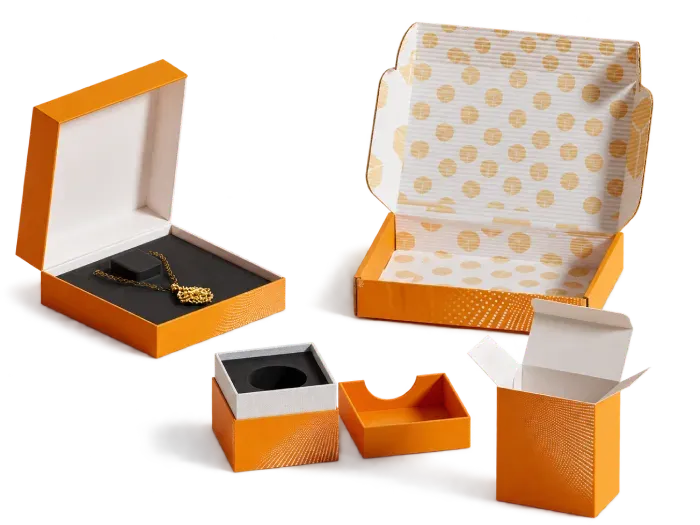
Global CBD packaging is entering a more demanding phase in 2026. Buyers now expect Custom CBD Boxes to protect products, communicate trust, and support market-specific compliance. A strong package is not merely attractive. It should withstand warehouse handling, long-distance shipping, humidity, and repeated retail contact. Small details matter, such as secure inserts, readable batch information, and a clean opening experience.
Our practical review focuses on packaging options suitable for responsible global buyers. We examine rigid boxes, folding cartons, magnetic closures, recyclable paperboard, and tamper-evident features. Each format serves a different product and budget. A premium rigid box may impress customers, but lightweight recyclable cartons can reduce shipping impact. Neither choice is automatically better. Product weight, climate, storage conditions, and local labeling rules must guide the decision.
Compliance remains central. CBD regulations differ across countries and can change quickly. Packaging should avoid unverified health promises, confusing symbols, and claims that authorities may reject. Buyers should confirm permitted ingredients, required warnings, language rules, and documentation with qualified legal or regulatory professionals. That step can feel slow. It prevents expensive redesigns.
The leading 2026 solutions combine durable construction, accurate information, and responsible material choices. However, “best” depends on the market, product type, and supply chain. A box that performs well in a dry warehouse may fail in humid transit. We will compare these options through real packaging considerations, including print quality, protection, sustainability, customization, and total cost. The goal is practical guidance—not exaggerated promises—for businesses seeking reliable CBD packaging across lawful markets.
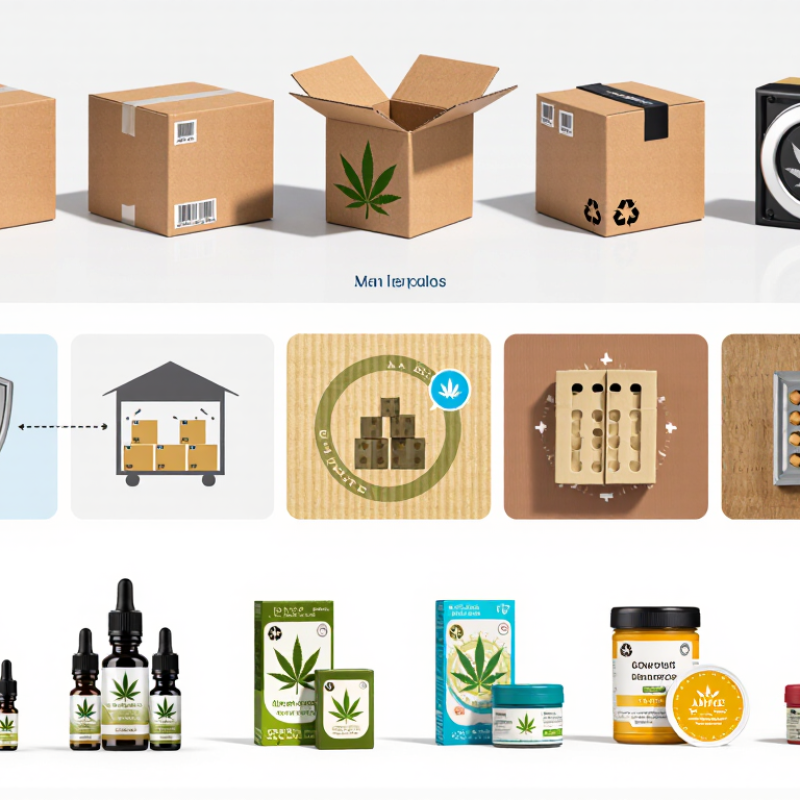
Global buyers are choosing custom CBD boxes that balance appearance, protection, and regulatory responsibility. Sustainable materials remain influential, especially recycled paperboard and water-based inks. However, recycled content alone does not prove responsible packaging. Buyers should request supplier documentation, material specifications, and recycling guidance for each market.
Child-resistant and tamper-evident designs are becoming stronger purchasing factors. These features must be tested by qualified professionals, not judged by appearance. Clear ingredient panels, batch details, usage guidance, and scannable verification codes also improve buyer confidence. QR codes can connect packaging with laboratory reports, sourcing information, and updated compliance records. They must remain readable after shipping and storage.
E-commerce is changing box construction. Lightweight cartons with reinforced corners can reduce damage without excessive material use. Soft-touch finishes and molded inserts create a premium feel, yet they may complicate recycling. That trade-off deserves more attention. I would not assume a minimalist box is always the better choice. Small-batch customization is also growing, allowing regional language panels, accessible typography, and seasonal artwork without large inventories.
Color choices are becoming more restrained.
Natural tones, precise printing, and clear product hierarchy often communicate quality better than crowded graphics. Still, visual trends should never replace verified testing or local legal review. Global buyers need packaging teams, compliance specialists, and converters who can document every important claim.
What Are the 2026 Top Custom CBD Boxes for Global Buyers?
High-quality custom CBD boxes begin with product protection. A rigid paperboard structure can reduce crushing during shipping. A fitted insert should keep bottles upright and prevent rattling. Moisture-resistant coatings also help protect labels in humid warehouses. Yet, excessive lamination can weaken recycling options.
Material choices now carry commercial weight. Smithers’ The Future of Sustainable Packaging to 2028 projects the sustainable packaging market will approach $394 billion by 2028. The report highlights recyclable materials and lighter structures as key growth areas. IBM’s 2020 consumer study found that 57% of respondents were willing to change purchasing habits to reduce environmental impact. Buyers notice the box.
Clear information matters just as much. Use readable batch codes, net quantity, ingredients, storage guidance, and scannable traceability data. Add tamper-evident features where local requirements demand them. Avoid medical promises and unsupported wellness claims. Country-specific packaging rules still require professional review. A QR code is useful, but it cannot replace accurate printed information. In practical packaging audits, I often see beautiful boxes fail because small text disappears under poor lighting. That detail needs rethinking. Custom sizing, consistent color control, and compression testing can improve shelf presentation and delivery reliability. Recycled content may look less polished, but that may be an honest advantage.
| Custom Box Type | Typical Product Fit | Recommended Structure | Material Options | Protection Features | High-Quality Finishes | Compliance-Ready Features | Sustainability Considerations | Best Use Case |
|---|---|---|---|---|---|---|---|---|
| Tuck-End Carton | CBD oil bottles, tinctures, capsules, and small topicals | Reverse-tuck or straight-tuck paperboard carton with a fitted insert | FSC-certified paperboard where available; common calipers include approximately 300–400 gsm | Bottle-locking insert, reinforced folds, and optional tamper-evident seal | Matte or gloss aqueous coating, spot varnish, foil accents, and embossed details | Dedicated panels for ingredients, net quantity, batch or lot number, warnings, and usage directions | Paper-based construction is widely recyclable when coatings, laminates, and inserts are compatible with local systems | Retail-ready everyday CBD products |
| Auto-Lock Bottom Box | Heavier glass bottles, jars, bundles, and giftable CBD sets | Crash-lock or auto-bottom structure with a rigid product insert | 310–450 gsm paperboard or corrugated E-flute for added strength | Stronger base support, shock-absorbing insert, and improved resistance to opening during transit | Soft-touch coating, debossing, raised ink, and controlled interior printing | Clear separation of product claims from mandatory information; barcode and traceability areas can be incorporated | Use fiber-based inserts instead of plastic where product stability and drop testing permit | Premium shipping and multi-item retail packaging |
| Sleeve and Drawer Box | Premium tinctures, wellness kits, and presentation-focused products | Two-piece drawer construction with an outer sleeve and internal tray | Rigid board wrapped with printed paper; recycled fibers may be specified subject to supplier availability | Custom cavity, neck support, and optional ribbon or finger-pull opening | Textured paper, foil stamping, debossing, edge printing, and selective gloss effects | Information hierarchy can be designed across the sleeve, tray, and insert without concealing required labeling | Avoid unnecessary magnets, mixed laminates, and permanently bonded dissimilar materials when recyclability is a priority | Premium unboxing and gift-oriented collections |
| Child-Resistant Carton | CBD products requiring additional access-control packaging in specific markets | Paperboard carton integrated with a tested child-resistant closure or secondary package | Durable paperboard, paperboard-plastic combination, or other material specified by the applicable test standard | Restricted opening sequence, secure closure, and optional tamper-evident feature | Low-glare coating and high-contrast instructions to improve usability for adults | Child-resistant performance must be validated through the relevant jurisdictional testing procedure; do not rely on appearance alone | Select the simplest tested structure and minimize unnecessary secondary components | Markets or product categories with child-safety packaging requirements |
| Corrugated Mailer Box | Direct-to-consumer orders, refill packs, and multi-product shipments | Self-locking mailer made from single-wall corrugated board, often E-flute or B-flute | Recycled or virgin kraft liner with a fluted paper core; board grade should match shipping conditions | Cushioning space, locking tabs, tear strip, and optional molded-pulp or paper padding | One- or two-color exterior printing, inside printing, water-based inks, and matte protective coating | Shipping label area, lot traceability space, handling icons, and legally required product information can be planned into the layout | Corrugated fiber is broadly recyclable, but local collection rules and coatings should be checked | E-commerce fulfillment and subscription shipments |
| Window Display Box | CBD gummies, topicals, soaps, and visually distinctive packaged items | Folding carton with a die-cut opening and transparent viewing panel | Paperboard with cellulose-based film or recyclable plastic film, subject to regional recycling facilities | Dust protection, internal tray, and optional seal to reduce unauthorized opening | Color-managed offset printing, spot varnish, embossing, and high-contrast graphics | Transparent panel should not cover mandatory warnings, ingredient declarations, or required net-content information | A paper-only display cutout improves material separation; verify film recyclability before specifying it | Shelf display where product visibility supports purchasing decisions |
| Tamper-Evident Carton | CBD oils, capsules, and topicals requiring visible opening evidence | Folding carton with a glued security flap, tear strip, or perforated opening feature | Medium- to high-density paperboard selected according to product weight and closure design | Visible seal break, perforation, adhesive closure, and insert stabilization | Matte coating, microtext, serialized variable data, and selective security printing where appropriate | Tamper evidence should complement, not replace, legally required product labeling and traceability controls | Use fiber-based security features where they provide adequate performance and can be separated for recycling | Products where package integrity and opening visibility are key buyer concerns |
For global buyers, the strongest custom CBD boxes are not simply attractive; they are documented, adaptable, and responsibly made. FSC-certified paperboard, recycled fiber, and water-based coatings can reduce material concerns when verified. Plastic-free is not always better. Design for the market. An experienced packaging team should test the box against humidity, compression, and transport vibration. Thin stock may look elegant in a sample room but fail after a long sea journey.
Compliance deserves equal attention. International artwork should leave clear space for product identity, net quantity, ingredients, batch details, warnings, and responsible-use statements. Requirements differ by destination, language, product format, and permitted claims. Therefore, buyers should request a market-by-market review before approving the dieline.
Do not treat the outer box as child-resistant packaging unless testing supports that claim. Coordinate it with the primary container and closure. Supplier records matter too: recycled-content evidence, material specifications, ink declarations, and quality checks build a defensible file.
A useful detail is version control. Separate files can prevent a translated warning from replacing a required local statement. Tamper-evident seals, scannable batch references, and clear opening instructions can improve trust without adding unnecessary layers.
Still, sustainability claims need restraint. A box may be recyclable in one country and difficult to process in another. That gap is easy to overlook. Ask practical questions, and accept that the perfect material choice may not exist. Some specifications will remain imperfect, and that deserves honest disclosure.
For global buyers in 2026, custom CBD boxes must balance visual appeal with dependable information. Printing should keep dosage details, batch references, ingredients, and usage directions easy to read.
High-resolution digital printing suits short runs and testing. Offset printing often delivers stable colors across larger orders.
Matte coatings reduce glare, while spot gloss can highlight a logo or product name. Details matter. However, dark backgrounds may weaken small text under warehouse lighting.
Branding works best when the box communicates purpose within seconds. Use a clear hierarchy, restrained colors, and consistent typography across product sizes.
Tactile paper, embossed marks, or a simple sleeve can create recognition without excessive decoration. Packaging specialists should verify color samples before production.
A screen preview is not enough. Paper texture can change the final result, sometimes more than expected.
Avoid unverified wellness claims, and leave space for market-specific information.
Security options should support product integrity and responsible distribution. Tamper-evident seals show whether a box was opened after packing.
Serialized codes can improve inventory tracking and help identify diversion risks. QR codes may connect buyers with testing documents, but the linked page needs regular maintenance.
Child-resistant formats may be appropriate where local rules require them. Requirements differ by market, so compliance checks should happen before artwork approval.
A recyclable board is valuable, yet weak construction can damage the product during shipping. That trade-off deserves a real transit test, not just a promise.
Selecting the best custom CBD box supplier worldwide requires more than comparing prices. A reliable supplier should understand regional packaging rules, labeling expectations, and responsible material sourcing. Ask for recent production samples, factory photographs, and clear quality records. A serious partner should explain board thickness, coating options, ink safety, and recycling limits without vague promises.
Request a digital proof and a physical prototype before approving bulk production. Check how the box opens, whether the insert holds the product securely, and if small text remains readable. Measure the box against your actual container. It sounds obvious, but many packaging problems begin with an assumed size. The supplier should also confirm tolerance ranges, color consistency, and inspection procedures for every batch.
Communication matters across time zones. Choose a supplier that provides written specifications, transparent lead times, and practical answers about customs paperwork. Ask how damaged cartons, late shipments, or rejected samples are handled. A lower quote may look attractive. It may also conceal thinner board or weaker finishing. I would compare total landed cost, not only the unit price. No supplier is perfect, and early testing can reveal weaknesses before they become expensive.
This buyer evaluation framework prioritizes regulatory readiness, material safety, print quality, order flexibility, delivery performance, and sustainability documentation when selecting a custom CBD box supplier worldwide. Buyers should confirm country-specific packaging, labeling, child-resistant, and environmental requirements before placing an order.
Strong paperboard helps prevent crushing during shipping. A fitted insert keeps bottles upright and reduces rattling. Moisture-resistant coatings protect labels in humid warehouses. Test the structure before production.
Recycled fiber, responsibly certified paperboard, and water-based coatings can reduce environmental concerns. Plastic-free designs are not always better. Local recycling systems differ. Choose materials for the destination market.
Include product identity, net quantity, ingredients, batch details, storage guidance, and required warnings. Printed information must remain accurate and readable. A QR code cannot replace essential text.
Review artwork separately for every destination market. Requirements may differ by language, product format, claims, and permitted use. Leave clear space for mandatory statements. Professional review remains important.
Add tamper-evident seals when local requirements or product risks justify them. Opening instructions should be clear. Do not claim child resistance without suitable testing. Coordinate the box with the primary container.
Request a digital proof and physical prototype. Check the insert, opening method, bottle fit, and small-text readability. Test compression, humidity, and transport vibration. Sample-room performance can mislead.
Request recent samples, factory photographs, specifications, and quality records. Confirm board thickness, coatings, ink information, tolerances, and inspection procedures. Compare total landed cost, not only unit price. Lower quotes may hide weaker materials.
Use controlled artwork versions for each language and destination. Check translated warnings separately. Keep records for recycled content, material specifications, and inspections. One missing statement can delay approval.
Confirm recycling claims with local processing guidance. A recyclable box in one country may be difficult elsewhere. Avoid broad environmental promises without evidence. The perfect material may not exist. Be honest about compromises.
In 2026, global buyers are prioritizing Custom CBD Boxes that combine practical protection, clear communication, and a professional visual identity. High-quality packaging should be durable, accurately sized, easy to handle, and designed to protect products from light, moisture, and transportation pressure. Clean layouts, readable labeling areas, tamper-evident features, and secure closures can help improve customer confidence while supporting consistent presentation across different product formats.
Sustainability and international compliance are also shaping purchasing decisions. Recyclable, responsibly sourced, and right-sized materials can reduce unnecessary waste, while accurate product information, traceability details, and market-specific packaging requirements help suppliers serve international customers responsibly. Effective printing may include precise color control, tactile finishes, and scannable information, provided every detail remains clear and compliant. When selecting a worldwide supplier, buyers should evaluate material quality, production consistency, customization capabilities, quality control, communication, shipping reliability, and the supplier’s ability to support lawful, transparent packaging standards.