Discover latest tips, box design trends, eco-friendly strategies, and expert advice to elevate your brand packaging.
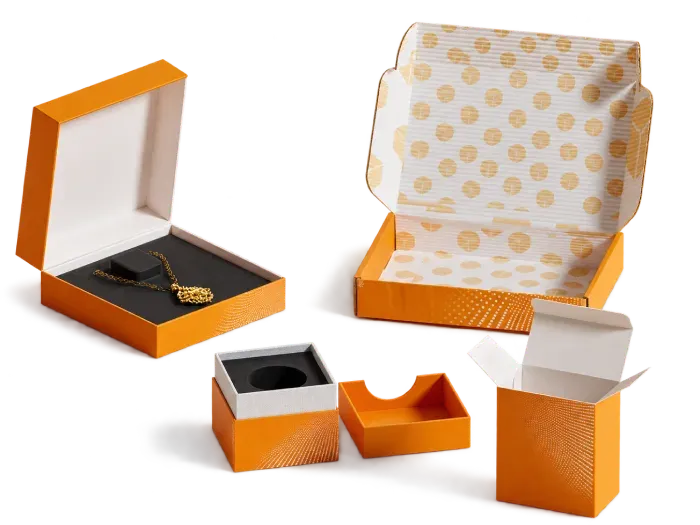
A premium product often begins with its packaging. Custom Rigid Boxes can protect delicate goods while shaping a customer’s first impression. However, manufacturers vary widely in materials, finishing quality, communication, and production control. Some suppliers produce sharp magnetic closures and clean foil details. Others may deliver attractive samples but inconsistent full-scale orders. That difference matters when packaging represents an entire brand.
This guide examines ten Custom Rigid Boxes manufacturers worth considering for different purchasing needs. The evaluation focuses on board strength, paper wrapping, printing accuracy, structural design, minimum order quantities, and delivery reliability. It also considers practical experience, including sample approval, color matching, and damage prevention during shipping. A rigid box may look simple, yet small issues can become expensive. Misaligned lids, crushed corners, or weak inserts can delay a product launch.
Good suppliers should explain their materials clearly. They should provide production samples, realistic timelines, and transparent pricing. Certifications and responsible sourcing also deserve attention, especially for brands with environmental commitments. Still, no manufacturer is perfect for every project. A supplier with excellent luxury finishing may not suit a tight budget or a small order. That is an important limitation.
Buyers should compare quotes carefully. Ask about prototypes, quality inspections, packing methods, and replacement policies before confirming production. Photos alone are not enough. Touch the sample. Test the closure. Check the fit.
The following manufacturers are presented as practical options, not unquestionable winners. Their strengths, limitations, and ideal applications can help buyers make a more informed decision. Expect variation, and verify current details directly before placing an order.
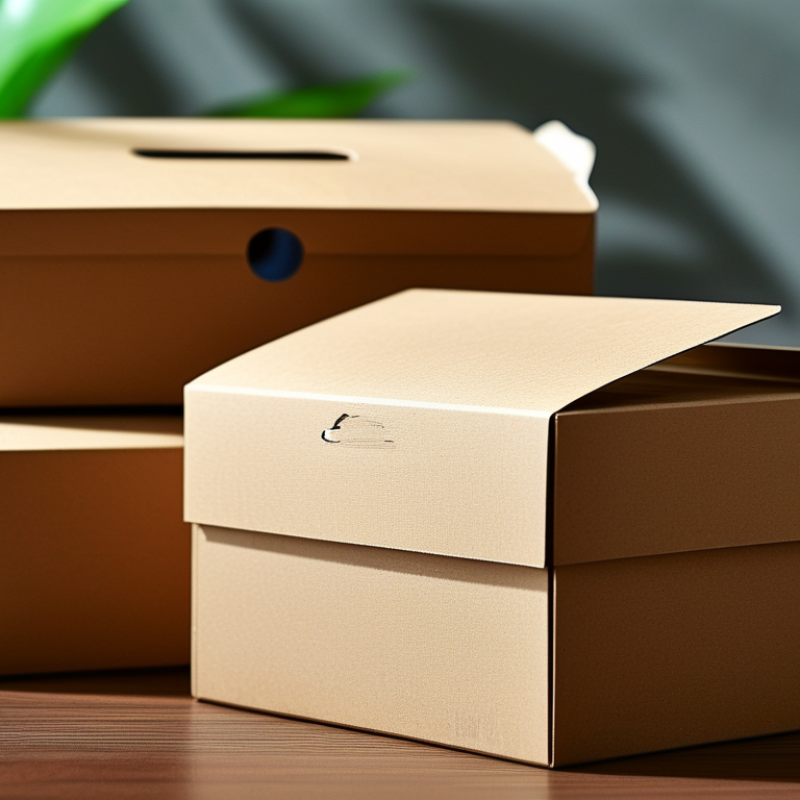
Custom rigid boxes are premium packaging structures made from dense paperboard, often wrapped with printed paper, fabric, or specialty film. Unlike folding cartons, they arrive assembled and keep their shape under normal handling. Their solid walls protect products from compression, scuffing, and presentation damage.
They are used when appearance matters as much as protection. A magnetic lid can open smoothly. A molded insert can hold a bottle, device, or delicate accessory in place. The unboxing experience feels deliberate. Grand View Research valued the global luxury packaging market at about USD 17.7 billion in 2023, with continued growth forecast through 2030. Smithers also projects the wider packaging industry to exceed USD 1 trillion in the coming years. These figures explain the interest in higher-value packaging, but they do not guarantee better results.
Material choice remains critical. A thick board may improve strength, yet it can increase shipping weight and material use. That trade-off deserves testing. In my experience, weak corner construction causes more failures than poor printing. Buyers should request compression tests, sample approvals, recycled-content details, and clear production tolerances. A reliable manufacturer should explain board thickness, insert fit, coating performance, and delivery controls without vague promises. Custom rigid boxes are not automatically sustainable or cost-efficient. Their value depends on product protection, reuse potential, transport distance, and responsible material selection.
Choosing among the top 10 custom rigid box manufacturers requires more than comparing prices. A low quote may exclude inserts, tooling, sampling, or shipping. Ask for a detailed cost breakdown before judging value. Request a physical sample, not only digital renderings. Examine the board thickness, corner alignment, wrapping paper, and lid movement. Small gaps often reveal weak production control.
A capable manufacturer should explain its materials and tolerances clearly. Ask whether the board is recycled, virgin, or mixed content. Request relevant material documentation and recent quality records. Test the box with your actual product. Check whether magnets close securely and whether foil or coating scratches after repeated handling. A color sample under different lighting can prevent expensive surprises.
Production reliability deserves equal attention. Review the proposed timeline, approval stages, inspection method, and replacement policy. Confirm how the factory handles damaged units or late deliveries. Clear answers matter. Vague promises do not. Communication speed is useful, but written records are stronger evidence. A polished prototype can still hide inconsistent mass production. I have found that a second production sample often exposes issues missed during the first review. Leave room for improvement, because packaging projects rarely run perfectly. Evaluate capacity, craftsmanship, documentation, and honesty together.
Choosing among the top 10 custom rigid box manufacturers requires more than comparing prices. Experienced buyers examine material quality, structural accuracy, and production consistency. A reliable manufacturer should provide physical samples before mass production. Ask for samples.
Look for manufacturers with clear capabilities in paper wrapping, magnetic closures, drawer styles, and foam or molded inserts. Their teams should explain board thickness, paper grain, corner construction, and print limitations in practical terms. Strong suppliers use documented quality checks, including color comparison, dimensional inspection, and closure testing. Certifications for responsible paper sourcing can also support purchasing decisions. However, certificates alone do not guarantee excellent workmanship.
I would also review production experience with similar packaging sizes and order volumes. A factory that handles luxury presentation boxes may not perform equally well with large retail runs. Request a detailed quotation covering tooling, sampling, packaging, delivery, and possible replacement terms. Inspect the sample under natural light. Small alignment issues become obvious there. Communication deserves attention, too. Slow replies may signal future production problems, although this is not always true. The best manufacturers welcome revisions and explain limitations honestly. A slightly imperfect prototype can be useful because it reveals how the supplier responds to feedback. Reliability is proven through repeated checks, not polished promises.
When comparing custom rigid box manufacturers, buyers should inspect more than appearance. Ask for board caliper, paper weight, edge alignment, magnet strength, and compression-test results. Samples reveal weaknesses. A beautiful box may still crush during transport.
Grand View Research valued the global luxury packaging market at approximately USD 17.8 billion in 2023. It forecasts a 5.4% compound annual growth rate from 2024 to 2030. This growth makes material consistency and production capacity important purchasing criteria. Compare prototype accuracy, minimum order quantities, tooling charges, lead times, and repeat-order controls. Request color proofs using measured ΔE values, not visual approval alone. Cheap is not comparable.
Service quality also deserves careful testing. Reliable suppliers should offer structural design, 3D mock-ups, material alternatives, pre-production samples, and documented quality inspections. Ask whether recycled content, certified paper, water-based coatings, and plastic-free inserts are available. The 2024 Smithers report, The Future of Luxury Packaging to 2028, highlights sustainability and premium presentation as continuing market pressures. Buyers should also review carton dimensions, pallet plans, moisture protection, and delivery records. I would not trust one perfect sample. Test several boxes from different production batches; small inconsistencies often appear only then.
A practical comparison framework based on commonly available custom rigid-box manufacturing capabilities, purchasing requirements, and quality-control considerations.
| Rank | Manufacturer Profile | Typical MOQ | Standard Production Lead Time | Box Construction Options | Material & Board Choices | Surface Finishes | Structural Customization | Sampling Service | Quality & Compliance Checks | Sustainability Options | Best Suited For | Buyer Evaluation Score |
|---|---|---|---|---|---|---|---|---|---|---|---|---|
| 1 | Profile A Premium customization |
500–1,000 units | 18–28 working days after artwork approval | Book-style, magnetic closure, drawer, hinged lid | Rigid greyboard with coated, textured, or specialty paper wrapping | Matte or gloss lamination, foil stamping, embossing, debossing, spot UV | Custom compartments, ribbons, windows, lift-off trays, multi-layer inserts | Digital mock-up and paid pre-production sample | Artwork proofing, color approval, dimensional checks, drop testing on request | Recycled board, FSC-certified paper upon request, plastic-free inserts | Luxury retail, cosmetics, jewelry, gift sets | ★★★★★ |
| 2 | Profile B Flexible mid-volume |
300–800 units | 20–30 working days | Two-piece lid-and-base, sleeve box, drawer box, book box | 1.2–3.0 mm greyboard with recycled or decorative paper | Soft-touch, matte, gloss, foil, raised UV, protective varnish | Die-cut paperboard inserts, EVA foam, molded pulp, ribbon pulls | White sample, structural prototype, and pre-production approval | Incoming-material inspection, printing checks, assembly inspection | Recycled paper, molded-pulp inserts, water-based coatings | Small and medium consumer-product launches | ★★★★☆ |
| 3 | Profile C High-volume efficiency |
1,000–3,000 units | 15–25 working days | Two-piece, telescoping, shoulder-neck, magnetic closure | Standard rigid board with coated art paper and kraft paper options | Matte lamination, gloss lamination, foil stamping, spot UV | Standard insert library with moderate dimensional changes | Digital proof and production sample available | Batch inspection, print registration checks, carton-count verification | Recycled board and paper-based inserts available | Established product lines and promotional programs | ★★★★☆ |
| 4 | Profile D Eco-focused packaging |
500–2,000 units | 20–32 working days | Lid-and-base, drawer, book-style, collapsible rigid box | Recycled greyboard, kraft wrapping paper, FSC-certified paper options | Water-based coating, uncoated texture, embossing, limited foil use | Paperboard, molded-pulp, and corrugated-fiber inserts | Structural sample with material alternatives | Material traceability, recycled-content documentation, visual inspection | Plastic-free construction, recycled content, flat-pack designs | Sustainable brands, subscription kits, corporate gifting | ★★★★☆ |
| 5 | Profile E Fast sampling |
200–500 units | 22–35 working days | Magnetic, drawer, book-style, hinged lid, two-piece | Greyboard with paper, fabric, linen, or synthetic wrapping materials | Soft-touch, foil, embossing, debossing, textured finishes | Complex inserts, product cutouts, ribbon systems, layered presentation | Rapid digital proof and prototype sampling service | Pre-production approval, barcode verification, assembly checks | Paper-based inserts and recycled board options | Seasonal launches, influencer kits, limited editions | ★★★★☆ |
| 6 | Profile F Cost-conscious production |
1,000–5,000 units | 18–30 working days | Standard lid-and-base, sleeve, drawer, foldable rigid box | Common rigid board grades with standard coated paper | Matte, gloss, spot UV, basic foil stamping | Standard-size inserts and limited custom tooling | Digital proof; physical sample generally charged separately | Basic print, size, quantity, and packing inspections | Recycled board and kraft paper subject to specification | Retail packaging with controlled budgets | ★★★☆☆ |
| 7 | Profile G Gift and presentation boxes |
500–1,500 units | 20–30 working days | Book-style, magnetic, drawer, window, shoulder-neck box | Rigid board with premium paper, fabric, and specialty wraps | Foil, embossing, ribbon decoration, textured paper, spot UV | Multi-product trays, foam inserts, ribbon handles, presentation layers | Pre-production sample and color swatch approval | Color consistency checks, fit testing, visual and packing inspection | Paperboard inserts and reduced-plastic presentation options | Food gifts, apparel accessories, festive and corporate gifts | ★★★☆☆ |
| 8 | Profile H Industrial protection |
1,000–3,000 units | 22–35 working days | Heavy-duty two-piece, book-style, drawer, nested rigid box | Heavy-weight greyboard with corrugated or molded protective components | Matte, gloss, kraft texture, abrasion-resistant coating | Die-cut foam, pulp cushioning, corrugated partitions, secure closures | Engineering prototype and transit-test sample | Compression, vibration, drop, fit, and packaging-line checks as required | Recycled board, molded pulp, and recyclable paper cushioning | Electronics, bottles, instruments, and fragile products | ★★★★☆ |
| 9 | Profile I Brand-detail focused |
300–1,000 units | 24–36 working days | Magnetic, book-style, drawer, two-piece, custom opening structures | Rigid board with paper, textile, wood-look, and specialty coverings | High-precision foil, embossing, debossing, edge printing, spot UV | Custom opening mechanisms, hidden magnets, layered inserts, compartments | Color drawdowns, mock-ups, and production approval samples | Color-management review, component inspection, closure-strength testing | Paper-based alternatives and recycled board by specification | Luxury, premium electronics, beauty, and collector products | ★★★★☆ |
| 10 | Profile J Export-ready service |
500–2,000 units | 20–32 working days plus shipping time | Standard rigid, magnetic, drawer, book-style, collapsible formats | Greyboard, kraft board, coated paper, and common specialty papers | Matte, gloss, foil, embossing, debossing, protective varnish | Custom inserts, barcode placement, retail-ready packing, palletization | Digital proof, sample approval, and pre-shipment sample retention | Pre-shipment inspection, carton marking, barcode and packing verification | Recycled materials and reduced-volume shipping configurations | International wholesale, retail replenishment, and e-commerce packaging | ★★★☆☆ |
Choosing among the top 10 custom rigid box manufacturers requires more than comparing price lists. Start with your product’s dimensions, weight, finish, and expected sales volume. A reliable manufacturer should explain board thickness, paper weight, insert materials, and structural tolerances clearly.
Request a physical prototype before approving mass production. Check whether the lid fits evenly, corners remain sharp, and the insert protects the product during handling. Ask for a color proof under suitable lighting. Digital previews can mislead. They often hide small printing differences.
Review the manufacturer’s quality process, production capacity, and communication habits. Ask how they inspect materials, monitor glue lines, and manage damaged units. Confirm minimum order quantities, sampling fees, lead times, packaging methods, and shipping responsibilities in writing. Factory photos are useful, but an audit or live video inspection provides stronger evidence. Certifications may support responsible sourcing, yet they should be verified through current documents.
A low quotation deserves careful questioning. It may exclude tooling, freight, or protective packaging. No supplier is perfect. Even experienced manufacturers can miss a revision if the approval process is unclear. Share a marked dieline, approve one final sample, and keep every specification in a written record. A responsive partner should welcome practical questions instead of rushing your decision.
Request a detailed breakdown for tooling, inserts, sampling, freight, and protective packaging. A low quote may exclude important services. Cheap is not comparable. Compare materials, tolerances, production capacity, inspection methods, and replacement policies.
A physical prototype shows details that digital images often hide. Check board thickness, corner alignment, wrapping paper, and lid movement. Digital previews can mislead. Test the box with the actual product before approving production.
Place the real product inside and close the lid repeatedly. Check whether magnets close securely and inserts prevent movement. Inspect glue lines, sharp corners, and small gaps. A beautiful box may still crush during transport.
Ask whether the board uses recycled, virgin, or mixed content. Request paper weight, board caliper, insert materials, and coating details. Relevant material documents should be current and specific. I would question vague sustainability claims.
Request a physical color proof under different lighting conditions. Measured color differences are more reliable than visual approval alone. Rub the surface repeatedly to check scratches and coating wear. Lighting changes everything.
Request samples from different production batches when possible. Compare lid gaps, corner alignment, color, magnets, and wrapping quality. One perfect sample proves little. A second production sample may reveal missed problems.
Confirm minimum order quantities, sampling fees, approval stages, lead times, and shipping responsibilities. Ask how damaged units, late deliveries, and replacement orders are handled. Written records are stronger than quick conversations. Promises can become unclear.
Review recent quality records, production capacity, inspection procedures, and delivery history. Factory photos help, but live video inspections provide stronger evidence. Verify certificates through current documents. No supplier is perfect, including experienced ones.
Custom Rigid Boxes are durable, high-quality packaging solutions made from sturdy paperboard, designed to protect products while creating a refined and memorable presentation. They are commonly used for luxury goods, electronics, cosmetics, gifts, and specialty products because they offer excellent structure, visual appeal, and opportunities for customized branding. This guide explains what makes rigid boxes different from standard folding cartons and why businesses choose them for premium packaging needs.
It also presents ten types of manufacturers worth considering without focusing on specific brand names. Buyers will learn how to evaluate production quality, material options, printing capabilities, finishing techniques, customization flexibility, minimum order quantities, pricing, lead times, and customer support. The guide further compares services such as sampling, structural design, sustainable material choices, quality inspection, and shipping assistance. By reviewing these factors and matching them with product requirements, budget, order volume, and target market expectations, businesses can select a reliable manufacturer that delivers attractive, functional, and consistent packaging.