Free Worldwide Shipping on All Orders
Free Custom Design Support Included
100% Price Match Guarantee
Eco-Friendly Packaging Materials Available
Packaging Knowledge Base & Insights

Custom Packaging Blog & Industry Guides

Discover latest tips, box design trends, eco-friendly strategies, and expert advice to elevate your brand packaging.
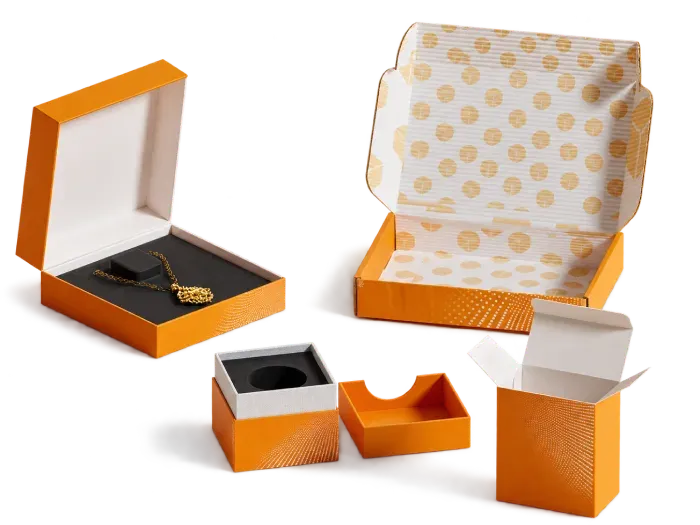
Custom packaging box designs and blog insights
0%

Why Choose Custom Display Boxes for Your Products?

Custom Display Boxes do more than hold products. They shape the first few seconds of a buying decision. In a retail aisle, a box must compete with bright labels, crowded shelves, and limited attention. Packaging expert David Luttenberger has described packaging as “the silent salesman.” That idea remains practical today. A carefully designed box can explain the product, support brand recognition, and guide customers toward a purchase without saying a word.

The details matter. A window can reveal the product’s color or texture. A raised logo can create a tactile brand moment. Strong cardboard can protect delicate items during transport and shelf handling. Precise inserts can stop products from sliding inside the box. These choices should follow real product testing, not attractive drawings alone. Measure the item. Test the fit. Review a physical sample under store lighting. Small mistakes become obvious there.

Custom Display Boxes also help businesses create a consistent presentation across different products. They can reflect a premium, natural, playful, or technical identity. Still, customization is not automatically better. Excessive finishes may increase cost without improving customer trust. A beautiful box cannot rescue unclear information or poor product quality. That is worth remembering.

Reliable packaging decisions balance appearance, protection, production limits, and responsible material choices. Customer feedback can reveal what designers miss. Sometimes the strongest improvement is surprisingly simple. A clearer panel. A steadier base. A more honest promise.
Why Choose Custom Display Boxes for Your Products?

What Are Custom Display Boxes?

Why Choose Custom Display Boxes for Your Products?

What Are Custom Display Boxes?

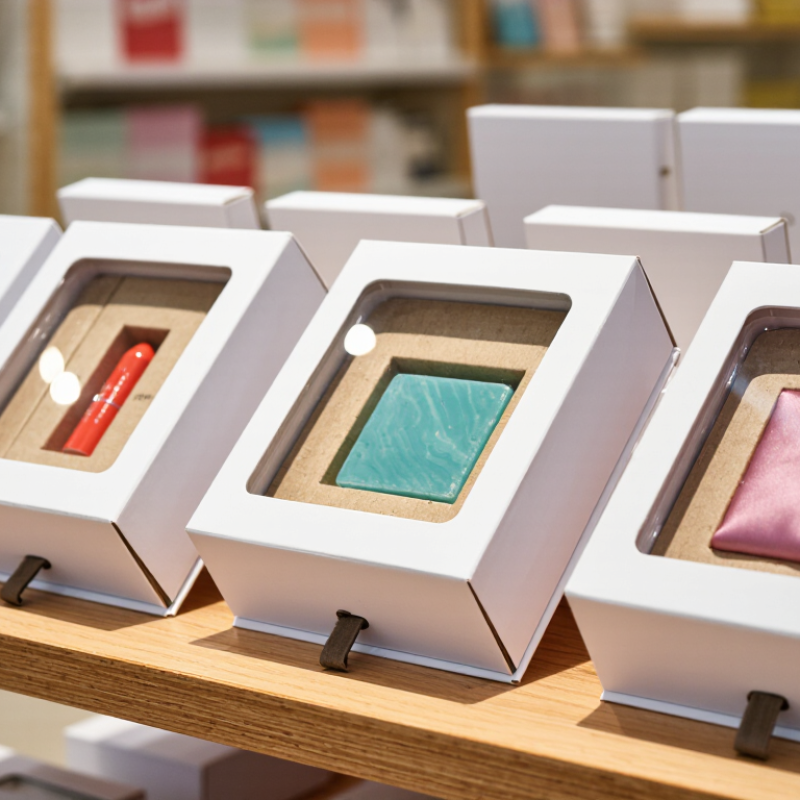
Custom display boxes are retail packages designed to present products clearly, not merely protect them. They combine a fitted structure, printed surfaces, and controlled openings. A small window may reveal a textured product, while an angled front keeps labels readable on a crowded shelf. Unlike standard cartons, these boxes can match a product’s size, weight, color system, and display position.

Packaging specialists usually assess board thickness, compression strength, print accuracy, and opening performance before production. According to a 2020 global consumer-packaging study covering more than 10,000 respondents, 60–70% of consumers considered sustainable packaging important during purchase decisions. This makes material selection significant. Recyclable paperboard can support a cleaner presentation, but coatings, laminates, and plastic inserts may complicate recycling. The box needs honest planning.

Custom display boxes also influence handling and visual recognition. A secure insert can stop movement during delivery, reducing scuffed surfaces and loose components. Clear hierarchy helps shoppers understand the product within seconds. Industry packaging tests often examine drop resistance, stacking pressure, moisture exposure, and color consistency. A beautiful sample can still fail after transport.

That mistake is common.

Some designs prioritize appearance too heavily. A narrow opening may look elegant but frustrate customers. An oversized box may waste material and shelf space. Customization works best when visual impact, product protection, manufacturing limits, and disposal conditions are evaluated together.

How Custom Display Boxes Enhance Product Presentation

Custom display boxes turn packaging into a quiet sales assistant. They frame the product, control visual focus, and make key details easier to notice. A strong structure can create a clear shelf hierarchy. The product should appear first. Its benefits should follow.

The 2019 Unboxing Experience study by Dotcom Distribution reported that 40% of consumers were more likely to purchase from retailers offering premium packaging. This suggests presentation influences trust, not just appearance. A custom box can add depth, windows, inserts, and precise product positioning. These details help customers understand size, quality, and use before opening the package. However, attractive packaging cannot repair a confusing product message. That is an easy mistake to overlook.

Material choices also affect credibility. McKinsey’s 2023 consumer research found that 60% of respondents were willing to change shopping habits to reduce environmental impact. Lightweight board, recyclable components, and restrained finishing can support that expectation. Yet sustainability claims must remain specific and verifiable. Green-looking packaging is not automatically responsible packaging.

Tips: Use one dominant visual cue. Keep essential information near the front. Test the box under store lighting, not only on a screen. Check whether the insert protects the product without making removal frustrating. A slightly imperfect prototype can reveal more than a polished mockup.

Why Choose Custom Display Boxes for Your Products? - How Custom Display Boxes Enhance Product Presentation

Evaluation Dimension Custom Display Boxes Standard Stock Boxes Presentation Benefit
Product fit Dimensions can be designed around the product, inserts, and accessories. Limited to preset sizes and formats. Reduces empty space and helps keep the product centered and visually organized.
Brand communication Exterior panels can include approved colors, graphics, product information, and usage instructions. Usually offers minimal or no product-specific graphics. Creates a consistent visual message at the point of sale.
Shelf visibility Can use display windows, stepped layouts, header cards, perforations, or open-front structures. Typically uses a basic closed-box format. Makes key product features easier to notice without opening the package.
Information hierarchy Front, side, and top panels can be assigned different communication roles. Information placement is restricted by the existing structure. Helps shoppers find product benefits, instructions, and specifications more quickly.
Protection and stability Can include partitions, locking tabs, reinforced panels, or fitted inserts. Protection depends on the standard box design and available size. Improves product stability while maintaining a neat display appearance.
Material selection May be specified with paperboard, corrugated board, recycled content, or other suitable packaging materials. Material choice is generally limited to the supplier’s existing stock. Allows the structure and finish to match product weight, handling needs, and visual goals.
Retail merchandising Can be developed for countertop, shelf, pegboard, floor, or point-of-purchase placement. Usually designed for general storage rather than a specific retail position. Supports more flexible product placement and stronger visual blocking.
Unboxing experience Opening sequence, reveal panels, inserts, and message areas can be planned together. Opening experience is generally functional and less product-specific. Adds structure and can make the product interaction feel more deliberate.
Sustainability options Material choices, removable components, and right-sized construction can be specified during design. Sustainability characteristics depend on the available stock specification. Supports more informed decisions about material use and packaging efficiency.
Best use case New product launches, premium presentation, gift sets, promotional displays, and retail campaigns. Short-term shipping, general storage, sampling, or low-design packaging needs. Helps match packaging investment with the product’s sales and merchandising objectives.
Note: Actual performance depends on box structure, material grade, artwork, product weight, production method, and retail environment.

Key Materials and Design Options for Custom Display Boxes

Custom display boxes do more than hold products.

Their materials influence strength, texture, print quality, and shelf appeal. In packaging projects, corrugated board works well for lightweight goods and frequent shipping. It absorbs minor impacts without adding much weight. Folding carton suits cosmetics, stationery, and other retail items needing clean edges. Rigid board creates a heavier, more premium feel. It costs more, though. That trade-off deserves attention.

Surface choices also change the customer’s first impression.

Matte coating reduces glare and gives printed colors a softer appearance. Gloss coating makes images look brighter, but fingerprints may show easily. Kraft paper offers a natural, earthy texture, while smooth white stock supports sharp product photography. Recycled materials can strengthen a responsible brand message. Their color may vary slightly between batches. This is not always a flaw, but designers should approve physical samples before production.

Design options should match how the box will be used.

A die-cut window lets shoppers see the product without opening the package. Hanging tabs suit peg displays, while auto-lock bases improve setup speed. Compartments can prevent small items from shifting during transport. Clear hierarchy matters: product name, key benefit, and instructions should remain readable from a short distance. I once saw an attractive box become difficult to open because the lid fit was too tight. Better testing would have caught it. Keep it practical. A well-designed display box balances protection, handling, visibility, and material cost.

Benefits of Custom Display Boxes for Branding and Protection

Why Choose Custom Display Boxes for Your Products?

Benefits of Custom Display Boxes for Branding and Protection

Custom display boxes turn packaging into a quiet sales tool. In retail testing, shoppers often notice color, shape, and product visibility before reading details. A fitted box keeps the item steady during handling. It can also reduce scratches, dust, and minor impact damage. Clear windows, reinforced corners, and snug inserts make protection visible.

Good packaging carries brand cues without shouting. Consistent colors, readable typography, and a carefully placed logo can improve shelf recognition. Custom sizing also prevents empty space, which may lower material use and shipping movement. Paperboard, corrugated layers, and water-based coatings offer practical options for different products. The right choice depends on weight, moisture exposure, transport distance, and display conditions.

Test before ordering in volume. Measure twice. Check compression, opening strength, print accuracy, and how the box looks under store lighting. A design may appear elegant on screen but feel weak in hand. That is an easy mistake. We have found that small changes, such as a deeper insert or wider locking tab, can prevent costly damage. Still, custom boxes are not automatically better. Poor measurements, excessive finishes, or unclear recycling information can weaken the customer experience. Ask a packaging specialist for material samples and realistic mock-ups before final production.

Factors to Consider When Choosing Custom Display Boxes

Why Choose Custom Display Boxes for Your Products?

Factors to Consider When Choosing Custom Display Boxes

Custom display boxes can turn ordinary packaging into a clear product experience. The harder task is choosing a box that performs well beyond the first impression. In my packaging work, I have found that product size, weight, and handling conditions should guide every decision. Measure the product carefully, including inserts and protective space. A box that looks elegant but crushes during delivery quickly loses its value. Leave room for movement.

Material choice affects strength, appearance, and environmental impact. Board thickness should match the product’s weight and the display environment. If the item sits near a window, heat and sunlight may affect finishes or adhesives. Consider lighting, shelf height, and how customers will open the package. Clear windows can improve visibility, but they may reduce structural strength. I once underestimated the weight of a small accessory, and the insert bent after repeated handling. That mistake changed my testing process.

Production details also deserve close attention. Ask for a physical prototype before approving a large order. Check folding accuracy, print sharpness, edge quality, and insert stability. Print color can vary between digital proofs and finished materials. Confirm the supplier’s material specifications and request relevant quality or safety documentation. Also review shipping dimensions, storage conditions, and assembly time. A beautiful box may become impractical if staff need several minutes to prepare each unit. Good design still needs honest testing.

Why Choose Custom Display Boxes for Your Products?

Custom display boxes are evaluated across the main factors that influence packaging decisions: shelf visibility, product protection, shipping efficiency, sustainability, and brand flexibility. The chart uses a practical 1–5 decision score, where 5 represents the highest importance.

Strong visual presentation and product protection are often the most important considerations, while shipping efficiency, sustainability, and flexible customization help improve operating value and customer experience.

FAQS

What are custom display boxes?

They are retail packages shaped for a product’s size, weight, and shelf position. They protect and present the item.

How do custom display boxes protect products?

Fitted inserts reduce movement during delivery. Reinforced corners and suitable board thickness can limit scratches, dust, and minor impact damage.

Can these boxes improve shelf visibility?

Yes. Windows, angled fronts, readable labels, and clear color systems help shoppers understand products quickly.

What materials are commonly considered?

Paperboard and corrugated layers suit many products. Recyclable paperboard may help, but coatings and plastic inserts can complicate recycling.

How should packaging be tested before production?

Test drop resistance, stacking pressure, moisture exposure, compression, opening strength, and print accuracy. A polished sample can still fail during transport.

Can custom sizing reduce waste?

It can reduce empty space, material use, and product movement. Poor measurements may create the opposite result.

What design mistakes should be avoided?

Narrow openings can frustrate customers. Oversized boxes waste shelf space. Excessive finishes may weaken recycling clarity.

Is attractive packaging always the better choice?

Not always. A box may look elegant on screen but feel weak in hand. Measure twice, then inspect realistic mock-ups under store lighting.

Conclusion

Custom Display Boxes are specially designed packaging solutions that present products attractively while providing practical protection. Unlike standard packaging, they can be tailored to a product’s size, shape, color, and display requirements. Their open, windowed, or structured designs help customers view important product details, making the packaging an effective part of the shopping experience. Clear graphics, organized layouts, and suitable finishes can also improve visual appeal and communicate product information quickly.

When selecting Custom Display Boxes, businesses should consider materials such as cardboard, corrugated board, kraft paper, or rigid board, depending on the required strength, appearance, and budget. Design choices may include printed patterns, cutout windows, inserts, dividers, handles, and different closure styles. Well-made boxes can support brand recognition, reduce damage during handling, and create a more professional presentation. Important factors include product dimensions, weight, shipping conditions, sustainability goals, printing quality, production quantity, and overall cost.


Amelia

Amelia

Amelia is a dedicated marketing professional with a deep understanding of the company’s products, customers, and evolving market needs. Through her work, she connects practical product knowledge with clear, valuable communication, helping readers make informed decisions and discover solutions that......