Explore our export-grade standup pouches and structural custom packaging solutions engineered for maximum shelf life, structural durability, and high-impact retail presentation.
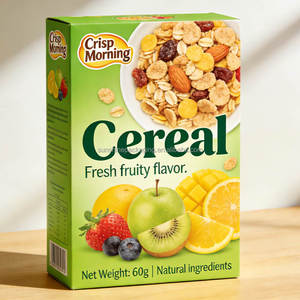
High-speed printed folding cartons and inner flexible barrier pouches designed for moisture-sensitive bakery, biscuit, and cereal products.
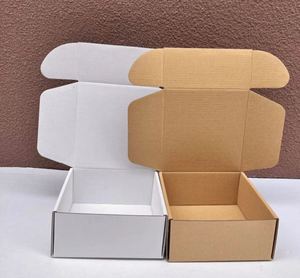
Ultra-sturdy corrugated mailers designed to integrate seamlessly with standup pouch secondary transport and direct-to-consumer delivery.
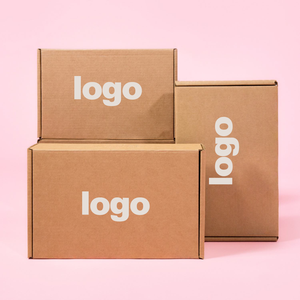
100% recyclable unbleached Kraft paper packaging offering organic aesthetic appeal for eco-conscious brands and natural food pouches.
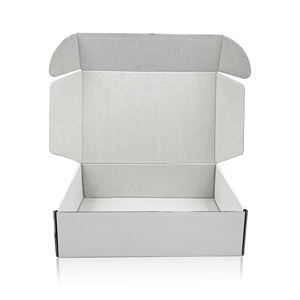
Luxury retail packaging engineered for premium cosmetics, apparel, and boutique pouch presentation with soft-touch lamination.
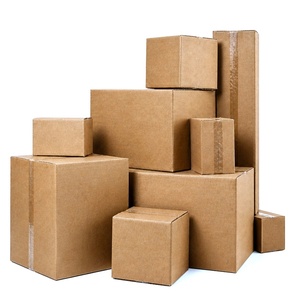
Precision-engineered outer carton boxes optimized for holding liquid spout pouches, beverages, and heavy retail food items.
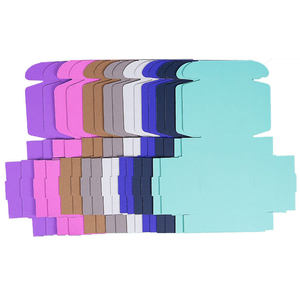
Versatile e-commerce packaging available in 25 stock sizes, built to shield flexible pouches and fragile items during international transit.
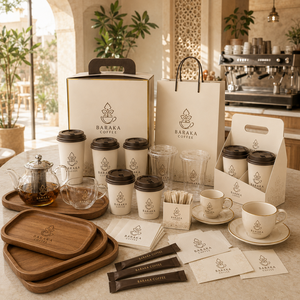
Heavy-duty airplane style folder box designed for coffee beans, beverage pouches, and food service bulk supply delivery.
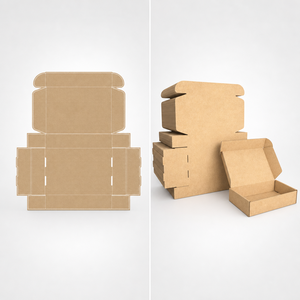
Industrial wholesale shipping boxes featuring rapid 3-day dispatch and 1-piece minimum sample runs for global packaging evaluation.
In the rapidly evolving global packaging landscape, evaluating a manufacturer through the lens of China Best Standup Pouches Exporter & Exporters requires far more than comparing per-unit FOB prices. Standup pouches (Doypack format) have systematically transformed food, beverage, pet care, cosmetic, and chemical retail packaging over the past two decades. Driven by high logistics volumetric efficiency, superior shelf impact, and lightweight carbon footprint metrics, flexible pouches are steadily replacing rigid glass bottles, metal cans, and plastic jars.
China's flexible packaging industrial ecosystem represents the apex of global polymer engineering, high-speed rotogravure printing, and automated pouch converting lines. However, for international procurement directors, brand owners, and supply chain executives in North America, Europe, and Australia, navigating the vendor landscape demands deep technical scrutiny. True manufacturing authority rests on a supplier’s ability to deliver consistent multi-layer barrier lamination, zero-leakage seal integrity, compliance with international food-contact safety standards (FDA, EU 10/2011, BRCGS), and seamless transition into eco-friendly circular economy mono-materials.
A single standard 40ft sea container can accommodate approximately 600,000 un-filled 250g standup pouches. In contrast, the same container holds only 45,000 rigid glass jars of equivalent capacity. Sourcing standup pouches directly cuts inbound transit freight emissions by up to 88% and slashes warehouse storage space requirements by 92% prior to filling.
Standup pouches owe their functional superiority to custom co-extruded and laminated film structures. Each substrate layer within a pouch serves a distinct physical or chemical barrier purpose. As a premier exporter, our production lines utilize state-of-the-art solvent-free laminators to combine biaxially oriented films with functional sealant layers.
Depending on the payload requirement—whether highly corrosive liquid sauce, oxygen-sensitive specialty coffee, or sharp-edged pet treats—we engineer specific material matrices:
Ultra-High Barrier Aluminum Foil Pouch: 4-ply structural lamination offering absolute zero light transmission, near-zero oxygen permeability, and extreme drop resistance for milk powder, coffee, and pharmaceuticals.
Metallized High-Barrier Pouch: Cost-effective 3-ply construction utilizing vacuum-metallized polyester film. Provides excellent UV barrier and moisture protection for snacks, cookies, and dry powders.
100% Recyclable Circular Economy Structure: High-density Machine Direction Oriented PE laminated with EVOH-enhanced sealant PE. Fully compatible with RIC 4 recycling streams while retaining premium oxygen barriers.
To aid quality assurance teams and packaging engineers in supplier evaluation, the following data table details verified laboratory test metrics across standard standup pouch film laminate options:
| Laminate Structure | Nominal Thickness | OTR (cc/m²/24h) | WVTR (g/m²/24h) | Tensile Strength (MPa) | Primary Industrial Application |
|---|---|---|---|---|---|
| PET / AL / PE | 110 – 140 µm | < 0.05 | < 0.05 | ≥ 85 | Specialty Coffee, Infant Formula, Retort Meals |
| PET / VMPET / PE | 90 – 120 µm | < 1.20 | < 0.80 | ≥ 75 | Protein Powders, Granola, Bakery Snacks |
| KRAFT / VMPET / PE | 140 – 180 µm | < 2.00 | < 1.50 | ≥ 60 | Organic Tea, Artisanal Nuts, Bath Salts |
| Mono-PE (MDO-PE / PE) | 100 – 130 µm | < 1.50 (with EVOH) | < 1.20 | ≥ 70 | Sustainable E-Commerce & Eco Retail Brands |
| BOPA / LLDPE (Retort) | 110 – 150 µm | < 2.50 | < 2.00 | ≥ 95 | High-Temperature Sterilized Liquid Soups |
* OTR tested at 23°C, 0% RH according to ASTM D3985. WVTR tested at 38°C, 90% RH according to ASTM F1249. Tensile strength measured per ASTM D882.
A primary reason enterprise buyers seek out top-tier exporters in China is printing fidelity. Modern retail shelves are hyper-competitive; brand identity relies on exact color reproduction across millions of units. Our production capabilities integrate electronic shaft-driven 10-color rotogravure printing presses operating at speeds up to 350 meters per minute.
Equipped with inline X-Rite spectrophotometers and closed-loop color adjustment technology, our presses guarantee exact Pantone color consistency from first off-press impression to the end of the production run.
Combine high-gloss visual elements with velvety matte textures (Registered Matte & Gloss Lacquer). This visual and tactile contrast elevates brand authority and shelf visibility.
From standard press-to-close zippers to pocket zippers, slider zippers, and certified Child-Resistant (CR) push-and-slide closures, our pouch-making equipment integrates closures without compromising seam seal strength.
As regulatory frameworks evolve worldwide—such as the European Union’s Packaging and Packaging Waste Regulation (PPWR) and extended producer responsibility (EPR) mandates in North America—purchasing managers must align with forward-looking packaging exporters. The following four macroeconomic trends are shaping future procurement strategies:
Historically, multi-material laminates (e.g., PET bonded to Aluminum and PE) were virtually impossible to recycle through municipal curbside systems due to multi-layer separation barriers. The industry standard is rapidly shifting toward mono-material PE or mono-material PP structures. By utilizing oriented PE (MDO-PE) films as the outer printable layer and low-density sealant PE as the inner layer, the entire pouch can be re-granulated into high-purity recycled PE resin without layer separation.
Leading international brands now mandate 30% to 50% Post-Consumer Recycled (PCR) resin content within non-food contact layers of outer film laminates. China's leading exporters are leveraging certified GRS (Global Recycled Standard) supply chains to offer traceable PCR-PE and PCR-PET films that reduce virgin fossil fuel reliance while fulfilling brand corporate sustainability goals.
Supply chain security, gray-market diversion control, and consumer interactivity are driving the adoption of high-speed variable data printing. Modern standup pouches are increasingly printed with unique serialized 2D QR codes or hidden anti-counterfeiting digital watermarks, allowing instant smartphone authentication and farm-to-table traceability.
Spout standup pouches are actively capturing market share from rigid HDPE and PET bottles in detergent, industrial chemical, edible oil, and baby puree sectors. With top-fill or spout-fill automated equipment compatibility, spout pouches offer tamper-evident closures, total liquid evacuation, and up to 70% plastic resin weight reduction per fluid ounce delivered.
Rooted in deep manufacturing experience and supported by our US customer consultation office in Carrollton, TX, we bridge the gap between world-class Chinese industrial capacity and localized client support. We remove sourcing risks through rigorous international compliance protocols and complete transparency.
A comprehensive financial evaluation of packaging media must factor in unit acquisition price, inbound shipping costs, storage overhead, operational handling, and breakage replacement costs. The table below illustrates a normalized TCO comparison for 100,000 units of 500ml / 16oz liquid payload packaging:
| Packaging Cost Factor | Standup Spout Pouch | Rigid HDPE Bottle | Glass Bottle / Jar | Folding Box w/ Inner Bag |
|---|---|---|---|---|
| Average Unit Cost (FOB) | $0.08 – $0.14 | $0.22 – $0.35 | $0.45 – $0.75 | $0.18 – $0.28 |
| Inbound Pallet Requirement | 4 Pallets (Empty) | 28 Pallets (Empty) | 42 Pallets (Empty) | 8 Pallets (Flat) |
| Freight Weight Penalty | Ultra Low (< 15g/unit) | Moderate (35g–50g) | Extreme (250g–400g) | Low (25g–40g) |
| Transit Breakage Rate | 0.00% (Shatterproof) | < 0.10% (Denting) | 1.50% – 3.00% (Cracking) | < 0.05% |
| Overall TCO Efficiency | Highest Savings | Moderate | Cost Intensive | Balanced |
Addressing critical technical, logistical, and compliance questions commonly raised during supplier audit and contract negotiation: