High-rigidity corrugated mailers, luxury setup rigid boxes, and customizable foldable packaging engineered for global export compliance and maximum load resistance.
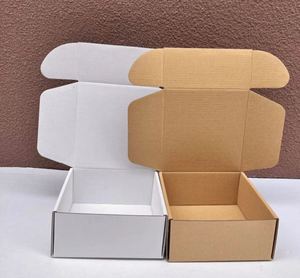
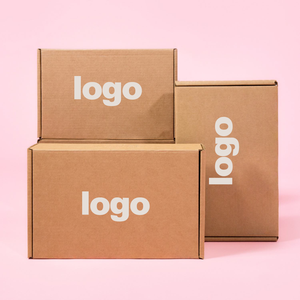
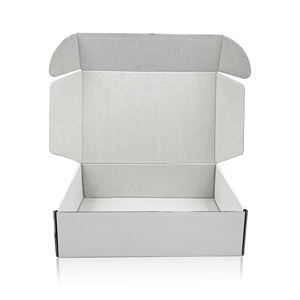
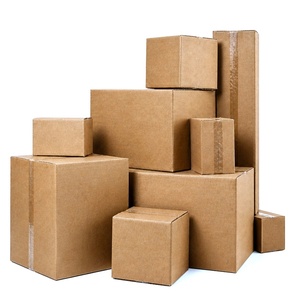
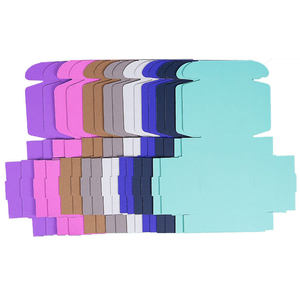

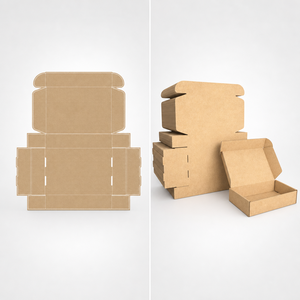
In the global footwear industry, packaging is no longer regarded as a passive containment vehicle. It is a critical component of supply chain optimization, brand equity preservation, and volumetric freight reduction. As footwear brands expand across omnichannel e-commerce and international retail networks, the structural engineering of shoe boxes directly dictates margin protection, product returns, and carbon intensity.
China’s manufacturing ecosystem for custom footwear packaging dominates the global export sector due to vertical supply chain integration—from pulp paper mills and corrugated fluting plants to high-speed Heidelberg offset printing presses and automated box-making machinery. Selecting the optimal China shoe box manufacturer requires a thorough understanding of material physics, crush resistance specs, flat-pack logistics, and environmental regulatory compliance across destination ports (including EU Deforestation Regulation compliance and US Lacey Act verification).
| Packaging Architecture | Primary Board Density | Crush Rating (ECT) | CBM Efficiency | Best Application |
|---|---|---|---|---|
| E-Flute Corrugated Mailer | 1.5mm / 350 GSM Kraft | 32 - 38 ECT | Very High (Flat-packed) | D2C E-Commerce, Athletic Sneakers |
| B-Flute Heavy-Duty Box | 3.0mm / 450 GSM Kraft | 40 - 44 ECT | High (Flat-packed) | Work Boots, Heavy Leather Goods |
| Collapsible Rigid Setup Box | 1200 - 1600 GSM Greyboard | Flexural Rigidity 95N | High (Magnetic Foldable) | Luxury Designer Heels, Leather Footwear |
| Traditional Two-Piece Telescope Box | 800 - 1200 GSM Chipboard | Standard Compression | Low (Pre-assembled) | B&M Retail Displays, Classic Shoes |
Achieving structural integrity while minimizing material consumption is the cornerstone of advanced packaging design. The primary factor causing shoe box failure in warehousing and intermodal shipping is hydro-hygroscopic degradation (moisture absorption during sea transport leading to stack collapse). Chinese manufacturers utilize specialized anti-fungal treatments, waterproof aqueous coatings, and precise linerboard combinations to mitigate these risks.
Utilizing virgin unbleached Kraft liners ranging from 175 to 450 GSM guarantees maximum tensile strength. High-burst strength liners prevent corner tearing under dynamic pallet compression.
Our corrugated shoe boxes are engineered to meet ISTA 3A transit standards, providing top-to-bottom compression resistance of over 400 lbs to ensure boxes never crush during multi-tier container stacking.
Applying soy-based barrier emulsions or aqueous lacquers maintains board stiffness even under 85%+ relative humidity environments during ocean transit through tropical trade routes.
Surface finishing technology has also evolved beyond aesthetics. Modern high-speed production lines integrate soft-touch anti-scratch matte films, tactile embossing, spot UV varnishing, and thermal hot foil stamping. These treatments serve dual purposes: enhancing brand perception during the customer unboxing moment while adding an extra layer of structural scuff protection to the paperboard surface.
Procurement directors and supply chain executives must prepare for sweeping regulatory and technological changes affecting international paper packaging imports. Key emerging trends include:
1. Monomaterial Circularity and PFAS-Free Barriers: Global environmental legislation is penalizing non-recyclable plastic laminations and toxic per- and polyfluoroalkyl substances (PFAS). Leading Chinese exporters have transitioned to 100% bio-based waterborne coatings that allow shoe boxes to be repulped directly without requiring chemical separation.
2. Smart Packaging & Serialization (Anti-Counterfeiting): Luxury and performance footwear brands are integrating variable-data QR codes, invisible UV ink serial numbers, and paper-embedded RFID tags into shoe box structures. This provides end-to-end supply chain visibility and instantaneous authenticity verification at point-of-sale.
3. Automated Packaging Line Compatibility: Modern automated footwear distribution centers demand box blanks cut with sub-millimeter die-cut precision (<0.3mm tolerance). High-precision laser die-cutting ensures seamless feeding into high-speed automatic folding and gluing machinery, reducing fulfillment labor overhead.
As an industry-leading manufacturer with over 2,600 global brand partnerships, Custom Box Makers bridges the gap between high-volume manufacturing cost efficiency and rigorous Western quality assurance standards. Our manufacturing footprint features end-to-end production autonomy:
From low-volume capsule collections and prototype sampling to multi-container wholesale runs, we support emerging DTC brands and established retail giants with flexible order minimums.
Our in-house CAD structural designers provide complimentary 3D Dieline proofs and structural stress testing to ensure perfect footwear sizing and minimal material waste.
Standard mass production completed in 8-10 business days. Direct door-to-door (DDP) ocean, air, and rail logistics tracking delivered straight to your regional distribution centers.
Connect directly with our China manufacturing engineering team. Get free structural dielines, factory-direct wholesale pricing, and complimentary physical samples for your brand today.
Inquire Now