The Strategic Imperative of Custom OEM/ODM Apparel Boxes in Global Supply Chains
In the hyper-competitive fashion ecosystem spanning luxury couture, fast fashion, and direct-to-consumer (DTC) apparel brands, packaging is no longer merely a protective vessel—it is the physical manifestation of brand identity and customer experience. As an authoritative OEM/ODM apparel boxes manufacturer operating fully integrated printing and automated paperboard converting facilities, we recognize that custom apparel boxes represent a pivotal touchpoint in driving consumer retention, brand equity, and supply chain efficiency.
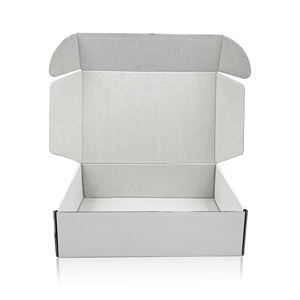
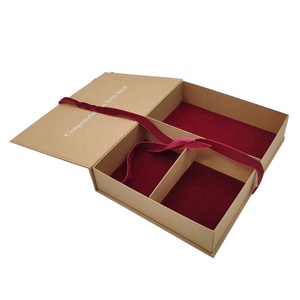
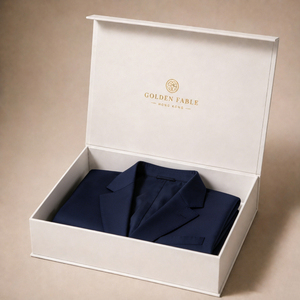
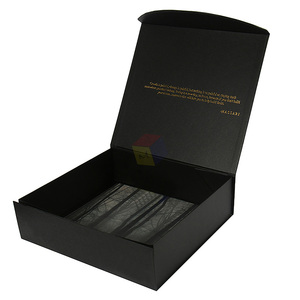
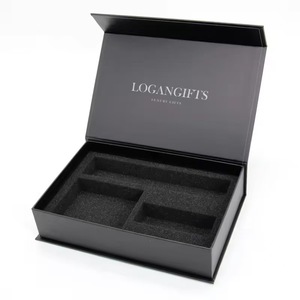
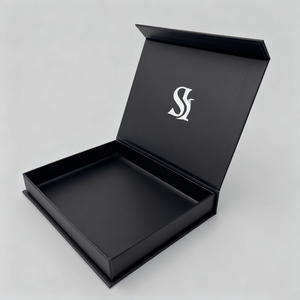
Whether your brand requires high-volume corrugated shipping mailers for global e-commerce dispatch, collapsible magnetic rigid presentation boxes for retail display, or eco-conscious raw kraft packaging, our OEM (Original Equipment Manufacturer) and ODM (Original Design Manufacturer) capabilities guarantee precise structural engineering. By combining advanced G7 color management with high-speed rigid box wrapping technology, we enable fashion enterprises to bridge the gap between aesthetic sophistication and structural integrity.
Why Leading Global Apparel Brands Choose Our OEM/ODM Manufacturing Plant
Direct OEM/ODM factory sourcing gives fashion brands total control over material specifications, surface embellishments, unit manufacturing costs, and global shipping logistics. Here is how our enterprise production capabilities deliver measurable information gain and operational advantages:
01
Zero MOQ & Rapid Prototyping
Eliminate inventory risks with sample turnarounds in as fast as 48 hours. Scale effortlessly from low-volume capsule collections to multi-million unit retail rollouts.
02
Advanced Collapsible Engineering
Our patented foldable rigid box structures ship completely flat, reducing inbound ocean container volume by up to 75% and dramatically lowering warehouse storage overhead.
03
FSC & Zero-Plastic Compliance
Align with strict EU Extended Producer Responsibility (EPR) regulations using 100% recyclable paperboard, soy-based inks, water-based coatings, and biodegradable ribbons.
04
G7 Master Color Consistency
State-of-the-art Heidelberg 8-color offset presses ensure Delta-E < 1.5 color variance across multi-factory production batches, matching your exact brand Pantone shades.
05
Rigorous Structural Stress Testing
Every box design undergoes drop testing, Mullen burst rating validation, edge crush tests (ECT), and climate chamber humidity cycling to ensure zero transit deformation.
06
End-to-End Vertical Integration
From raw pulp sourcing, paperboard lamination, and automated die-cutting to custom insert creation and global door-to-door logistics—we manage the complete chain.
Future Procurement Trends in Apparel Packaging (2025–2030)
Procurement officers and packaging designers must navigate shifting consumer expectations and evolving global trade standards. Incorporating data-driven manufacturing methods, our engineering team highlights four core procurement trends shaping the apparel packaging landscape:
1. Decarbonization and Carbon-Neutral Material Sourcing
Global fashion conglomerates are auditing Scope 3 carbon emissions across their supply chains. Packaging procurement is transitioning away from virgin tree pulp toward post-consumer recycled (PCR) paper fibers and agricultural residues (bagasse, bamboo). Our OEM production lines integrate up to 100% PCR corrugated board, backed by FSC chain-of-custody tracking certificates that verify low carbon intensity per unit produced.
2. Structural Optimization for E-Commerce Freight Economics
With dimensional weight (DIM weight) pricing enforced by major logistics carriers (FedEx, UPS, DHL), heavy and oversized packaging incurs severe freight penalties. Modern ODM box designs focus on micro-flute corrugation (F-Flute and N-Flute) and form-fitting internal dividers that maximize internal payload density while paring down external box dimensions, yielding shipping cost reductions of 12% to 22%.
3. High-Sensory Tactical Surface Embellishments
In fashion retail, tactile engagement significantly impacts consumer quality perception. Market trends show a surging demand for soft-touch matte lamination, 3D spot UV glossing, blind debossing, and metallic hot foil stamping (rose gold, champagne gold, matte silver). Incorporating custom inner tissue paper lining and custom-dyed velvet ribbon closures transforms standard packaging into a memorable sensory unboxing ritual.
4. Smart Packaging Integration (RFID & Anti-Counterfeiting)
High-end luxury apparel boxes are increasingly embedded with ultra-thin RFID tags and hidden micro-QR codes. OEM factories are required to integrate these digital authentication assets during the paperboard lamination phase, allowing brands to combat gray-market diversion, track inventory real-time through distribution centers, and deliver interactive AR (augmented reality) brand experiences directly to consumers' smartphones upon unboxing.
Streamlined OEM/ODM Custom Box Manufacturing Workflow
We streamline international packaging procurement through a structured, transparent 6-step manufacturing framework engineered for speed, accuracy, and absolute quality assurance:
- Step 1: Structural Engineering & Dieline Design: Our structural engineers craft precise 3D CAD dielines based on your apparel dimensions, fabric weight, and desired unboxing style.
- Step 2: Prototyping & 3D Digital Proofing: Receive digital 3D renders and physical white samples (or fully printed production samples) to test fit, magnet closure strength, and material rigidity.
- Step 3: High-Precision Printing & Surface Coating: Plates are generated using automated CTP systems for crisp CMYK and Pantone color reproduction on Heidelberg offset presses, followed by protective varnish or matte soft-touch film application.
- Step 4: Automated Die-Cutting & Rigid Box Wrapping: Automated die-cutters trim boards with sub-millimeter precision. High-speed automatic wrapping machines combine rigid greyboard with printed art paper sleeves.
- Step 5: Quality Control (QC) & Stress Testing: In-house QC technicians verify color fidelity, glue adhesion strength, fold resistance, magnet Gauss ratings, and bursting strength across randomized batch samples.
- Step 6: Palletization & Global Logistics: Finished boxes are flat-packed or stacked in heavy-duty outer shipping master cartons, moisture-sealed with stretch film, and shipped via ocean, air, or express freight to your distribution hubs.