Top Trusted Packing Tape Factories & Factory Sourcing Guide
An Executive B2B Procurement Whitepaper on Industrial Sealing Adhesives, BOPP Packaging Tape Extrusion, Automated Case Sealing Line Integration, and Direct Factory Benchmarking.
Factory Featured Catalog
Featured Industrial Packaging & Sealing Solutions
Engineered for structural resilience, high-speed automated carton sealing, and premium unboxing performance across global supply chains.
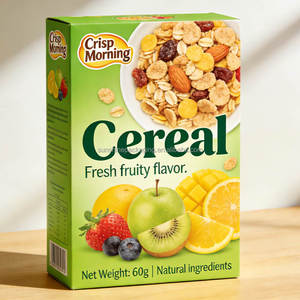
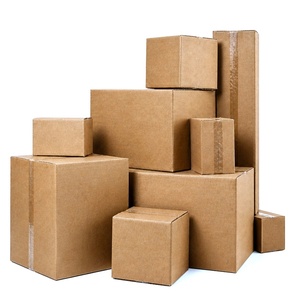
Custom Folding Carton Food Packaging Box for Biscuits & Snacks
In modern industrial logistics, carton sealing integrity is the final critical bottleneck determining parcel survival across multi-touch distribution networks. Procuring from top trusted packing tape factories requires an advanced evaluation of polymer chemistry, film extrusion quality, and adhesive rheology. Whether sealing lightweight retail folding cartons or heavy-duty triple-wall corrugated containers, selecting the correct adhesive system directly impacts warehouse operational efficiency, transit loss rates, and total cost of ownership (TCO).
1. Adhesive Formulation Breakdown: Water-Based Acrylic vs. Hot-Melt Rubber vs. Solvent Acrylic
Direct tape manufacturers utilize three primary pressure-sensitive adhesive (PSA) chemistries coated over Biaxially Oriented Polypropylene (BOPP) or Kraft paper backings. Each chemistry exhibits distinct viscoelastic properties under shear stress, peel force, and temperature fluctuations:
Water-Based Emulsion Acrylic Adhesive: Formulated by polymerizing acrylic monomers suspended in water. Emulsion acrylic offers outstanding long-term aging stability, zero yellowing under solar UV exposure, and operational temperature stability ranging from -5°C to 60°C. It is the premier choice for long-duration warehouse storage and food-grade packaging compliance.
Hot-Melt Synthetic Rubber (SIS Block Copolymer): Manufactured by blending Styrene-Isoprene-Styrene block copolymers with tackifying resins. Hot-melt adhesives provide an ultra-high initial quick-stick (tack) and rapid substrate wetting. This chemistry excels on recycled corrugated boxes (which contain short, porous recycled paper fibers), though its shear holding strength degrades under continuous high heat (>45°C).
Solvent-Based Cross-Linked Acrylic: Dissolved in organic solvents and thermal-cured. Solvent acrylic creates chemical cross-links that deliver extreme weatherability, humidity resistance, and shear holding power from -25°C to 80°C. It is specified for cold-chain food processing, deep-freeze logistics, and heavy hazard maritime shipping.
Water-Activated Reinforced Gummed Paper Tape: Composed of virgin kraft paper reinforced with multi-directional fiberglass filaments, coated with a dry cornstarch adhesive. Upon hydration, the starch penetrates corrugated fibers, creating a tamper-evident, homogeneous fiber-tear bond that cannot be peeled without visible structural destruction.
Below is a standardized technical matrix compiled from PSTC (Pressure Sensitive Tape Council) test methods to assist procurement officers in verifying factory technical specifications:
Adhesive Chemistry
BOPP Film Thickness
180° Peel Adhesion (N/25mm)
Rolling Ball Tack (No. #)
Shear Holding Power (Hours @ 23°C)
Operating Temp Range
Optimal Corrugated Substrate
Water-Based Acrylic
23 μm - 30 μm
6.0 - 7.5 N/25mm
#14 - #17
> 48 Hours
-5°C to +60°C
Virgin Kraft Linerboard, Clean Cartons
Hot-Melt Synthetic Rubber
25 μm - 35 μm
8.0 - 10.5 N/25mm
#18 - #22
> 24 Hours
+5°C to +45°C
High-Recycled Content Corrugated (Testliner)
Solvent Acrylic
28 μm - 40 μm
7.5 - 9.0 N/25mm
#15 - #18
> 72 Hours
-25°C to +80°C
Cold Storage, Deep Freeze, Harsh Environments
Water-Activated Gummed Paper
70 g/m² Kraft + Glass Fiber
Substrate Fiber Tear (>12 N)
Instant Hydration Wet-Out
Permanent Structural Bond
-20°C to +70°C
Heavy Duty Fiberboard, High-Value Parcel Mailers
2025 – 2030 Market Foresight
Future Procurement & Technology Development Trends in Industrial Packaging Sealing
1. Mono-Material Recyclability & Circularity
Driven by the EU Packaging and Packaging Waste Regulation (PPWR), top packing tape factories are transitioning to PCR (Post-Consumer Recycled) BOPP film bases and bio-based water-activated gummed paper tapes. Eliminating plastic contamination in paper recycling streams allows whole-box repulpability without manual tape stripping.
2. Automated High-Speed Machine Sealing
E-commerce fulfillment hubs operating automated case sealers at 40+ cartons per minute require controlled unwinding tension and ultra-low noise levels (< 60 dB). Modern tape factories utilize silicone-free release coat technology to prevent machine jamming and cutter blade adhesive buildup.
3. Smart Tamper-Evident Security Features
Supply chain theft protection is moving from passive closure to active security. Advanced packaging tape plants integrate void-transfer security layers, serialized QR barcode tracking, and microscopic flexographic anti-counterfeiting ink prints directly into the adhesive backings.
4. Total Cost of Ownership (TCO) vs. Price-Per-Roll Fallacy
Procurement departments frequently make the mistake of sourcing packaging tape based solely on nominal roll unit price (e.g., price per 100m roll). However, empirical supply chain data reveals that cheap, low-grade tape results in significantly higher operational expenditures due to:
Tape Snapping Downtime: Sub-standard BOPP film with uneven longitudinal tensile strength snaps under high-tension automatic applicator heads, stopping packaging line throughput for 5–12 minutes per incident.
Double-Taping Waste: Packers apply 2 to 3 overlapping strips of low-tack tape to guarantee box closure, increasing material consumption by 200% compared to a single strip of high-shear 50-micron tape.
Transit Freight Claims: Pop-open carton failures during long-haul trucking lead to crushed contents, water damage, pilferage, and expensive customer replacement logistics.
Enterprise Supplier Vetting
How to Audit a Packing Tape & Packaging Box Factory
When selecting OEM/ODM manufacturing partners, global sourcing directors must perform rigorous technical audits across five manufacturing capability pillars:
A. Precision Coating Mass Control
Verify that the coater line utilizes online beta-ray or infrared coating weight gauges. High-end coater heads maintain adhesive thickness variations within ±0.5 g/m² across the entire 1.6m–2.0m jumbo roll web width.
B. Environmental VOC Abatement
For solvent acrylic coating lines, top trusted factories operate Regenerative Thermal Oxidizers (RTO) with over 99% VOC destruction efficiency, ensuring uninterrupted production under stringent environmental regulations.
C. High-Precision Slitting & Edge Integrity
German-engineered rotary slitters prevent edge-nicks and micro-tears during high-speed rewinding. Clean tape edges are mandatory for high-tensile resistance under rapid manual or mechanical dispenser pulling.
D. Integrated Box & Tape Customization
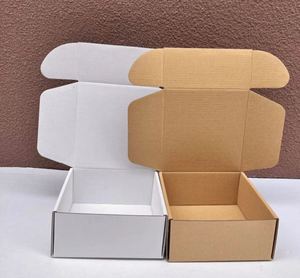
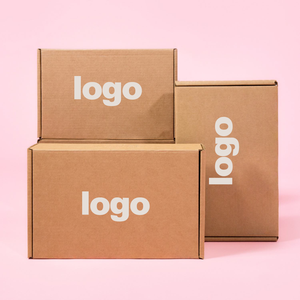
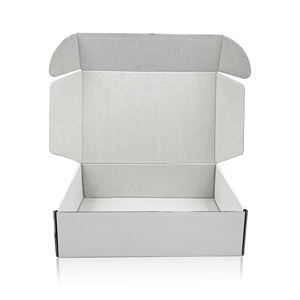
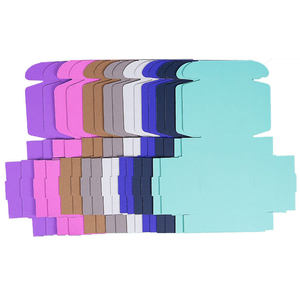
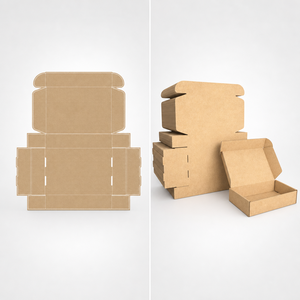
Partnering with a integrated supplier capable of manufacturing both corrugated mailer boxes and matching printed sealing tapes ensures structural compatibility, unified brand color matching (Pantone), and consolidated container shipping.
Our Enterprise Manufacturing Strengths
As a leading supplier of custom boxes and industrial packaging sealing solutions, our facility incorporates international manufacturing benchmarks:
Zero Minimum Order Quantity (No MOQ): Flexible manufacturing lines allow prototype runs, small-batch e-commerce box orders, and full container wholesale manufacturing without setup penalties.
Free Design & Dieline Engineering Support: Structural packaging engineers assist in optimizing box dimensions, fluting profiles (E, B, C, EB flutes), and tape printing artwork layout at no additional charge.
Food-Grade & Eco-Certified Materials: Soy-based non-toxic inks, FSC-certified kraft paperboards, and REACH/RoHS compliant pressure-sensitive adhesives safe for direct food secondary packaging.
Rapid 8–10 Business Day Production Turnaround: Automated high-speed die-cutting, flexographic flex-printing, and automatic slitting ensure industry-leading fulfillment speeds with expedited air/ocean logistics support.
Procurement Knowledge Base
Frequently Asked Questions (FAQ) for Packaging & Tape Buyers
Technical answers to common sourcing, material selection, and quality control inquiries.
How do environmental conditions (cold storage, extreme heat, high humidity) impact tape adhesion performance?
Temperature and relative humidity alter the polymer mobility of pressure-sensitive adhesives. Below 5°C, standard water-based acrylic adhesives undergo glass transition, becoming glass-like and losing wet-out ability ("pop-off" effect). For cold storage (-20°C to 4°C), specialized deep-freeze solvent acrylic or hot-melt formulations with lower glass transition temperatures (Tg) are required. Conversely, extreme heat (>45°C) softens low-grade hot-melt rubber, causing adhesive shear slippage and sticky residue migration.
What total micron thickness is recommended based on box weight and corrugated ECT ratings?
For lightweight mailer boxes (< 5 kg) and single-wall E-flute cartons, a standard 40 micron (1.6 mil) total tape thickness (25μm BOPP + 15μm adhesive) is sufficient. For medium cartons (5 kg to 18 kg, ECT-32 / 200# Mullen), specify 45 to 50 micron tape (1.8 mil to 2.0 mil). For heavy-duty industrial shipping containers (> 20 kg, double-wall BC flute), utilize 55 to 65 micron heavy-duty acrylic tape or 70 g/m² reinforced water-activated gummed paper tape.
What is the difference between surface printing and sandwich (reverse) printing on custom packaging tape?
Surface printing applies ink directly onto the corona-treated top side of the BOPP film, followed by a protective release coat. It is cost-effective for short production runs (Low MOQ) but can scuff under intense conveyor friction. Reverse (sandwich) printing prints ink on the underside of clear BOPP film prior to adhesive coating. The ink is permanently trapped between the film and glue layer, providing 100% scratch-proof, high-gloss brand graphics suitable for long-distance international transit.
Why do tape rolls experience edge tear during high-speed application, and how to prevent it?
Edge tear occurs when slitting blades are dull or misaligned, creating microscopic nicks along the tape margins. Under high unwinding tension, these micro-nicks act as stress concentration points, causing the film to split longitudinally. Working with certified factories that utilize German carbide rotary slitters and perform automated optical edge inspection eliminates slit-edge defects.
What is the standard shelf life of acrylic versus hot-melt rubber packaging tape?
Water-based acrylic tape boasts an exceptional shelf life of 24 to 36 months when stored in a climate-controlled environment (20°C, 50% Relative Humidity) without degradation of peel strength. Hot-melt synthetic rubber tape has a shorter optimal shelf life of 12 to 18 months, as synthetic rubber polymers undergo gradual oxidative cross-linking when exposed to ambient oxygen and ambient heat.
How can enterprise buyers request custom samples and verify quality prior to bulk orders?
We offer three sample evaluation pathways: 1) Random Portfolio Samples (Free stock samples from past production runs to evaluate material touch and feel), 2) Plain Unprinted Mockups (Custom dimensioned boxes/tape rolls to test automated machine fit and structural load), and 3) Pre-Production Printed Samples (Full color-matched physical proofs prior to mass manufacturing).
Optimize Your Packaging & Sealing Supply Chain Today
Consult directly with our packaging engineers to obtain factory-direct quotes, request structural dieline samples, or discuss custom flexographic branding options for your business.