Information Gain Overview for B2B Buyers
In the competitive luxury jewelry market, packaging is not merely a container—it is a critical extension of brand equity, product security, and consumer perception. According to recent luxury retail analytics, over 72% of consumers report that custom packaging directly influences their repurchase intent, while unboxing videos drive organic search equity across digital platforms. This guide provides deep-tier technical insight into core board GSMs, Volatile Corrosion Inhibitor (VCI) anti-tarnish treatments, precision EVA insert densities, and global supply chain forecasting for high-margin custom jewelry boxes.
1. Recommended Custom Jewelry Box Styles & Structural Engineering
Selecting the appropriate structural box style depends on product weight, retail price tier, shipping conditions, and the intended customer unboxing sequence. Below are the five primary architectural formats manufactured by Custom Box Makers for fine jewelry, demi-fine pieces, and luxury accessories:
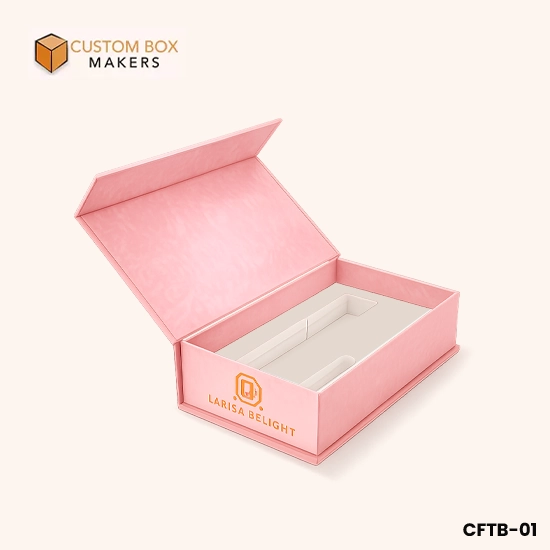
Hinged Magnetic Rigid Boxes
Book-style flip-top structures featuring hidden neodymium magnetic closures and custom anti-tarnish foam cutouts. Ideal for premium engagement rings, luxury watches, and high-jewelry gift sets.
Inquire Now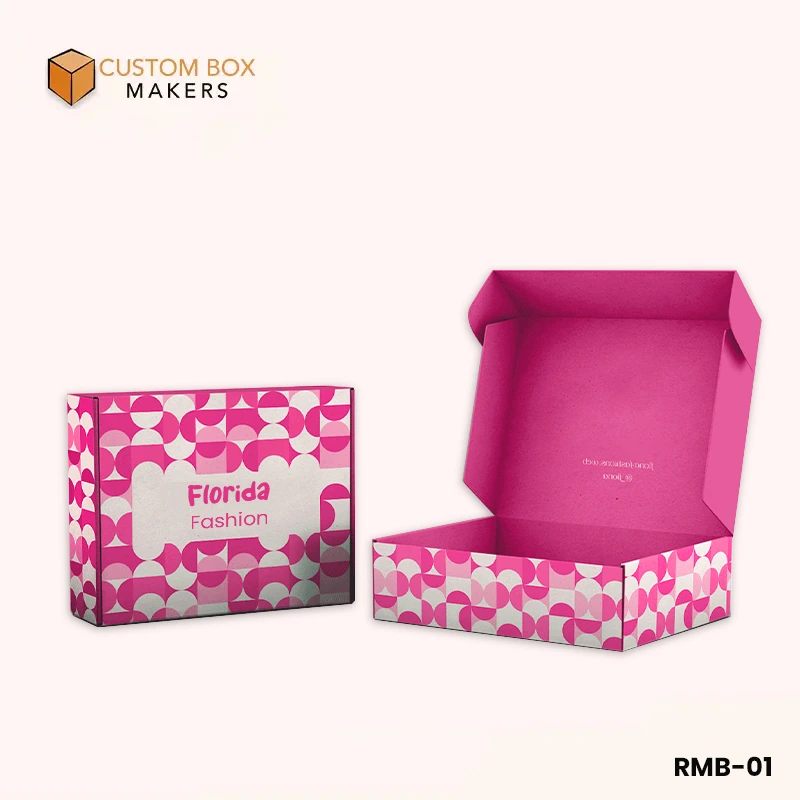
Rigid E-Commerce Mailers
Heavy-duty corrugated and rigid hybrid mailers designed to withstand transit shocks without sacrificing luxury branding. Built with self-locking tabs and tamper-evident seals.
Inquire Now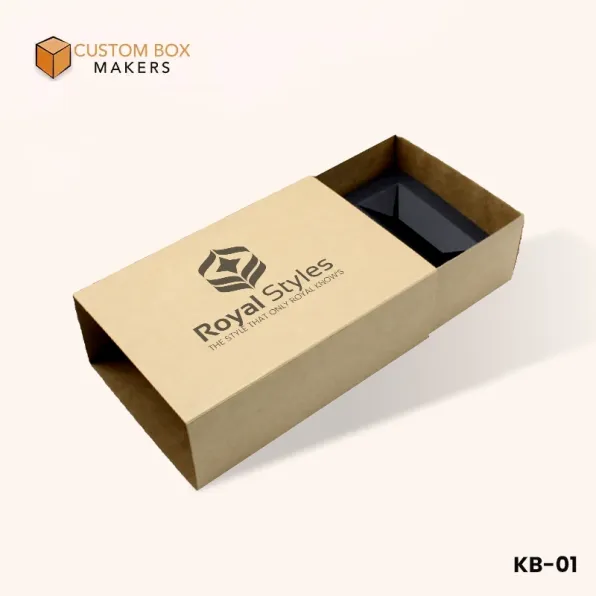
Eco Kraft & Drawer Boxes
100% recyclable, FSC-certified kraft paperboard boxes with matching ribbon pulls or thumb notches. Designed for sustainable luxury brands focused on circular packaging.
Inquire Now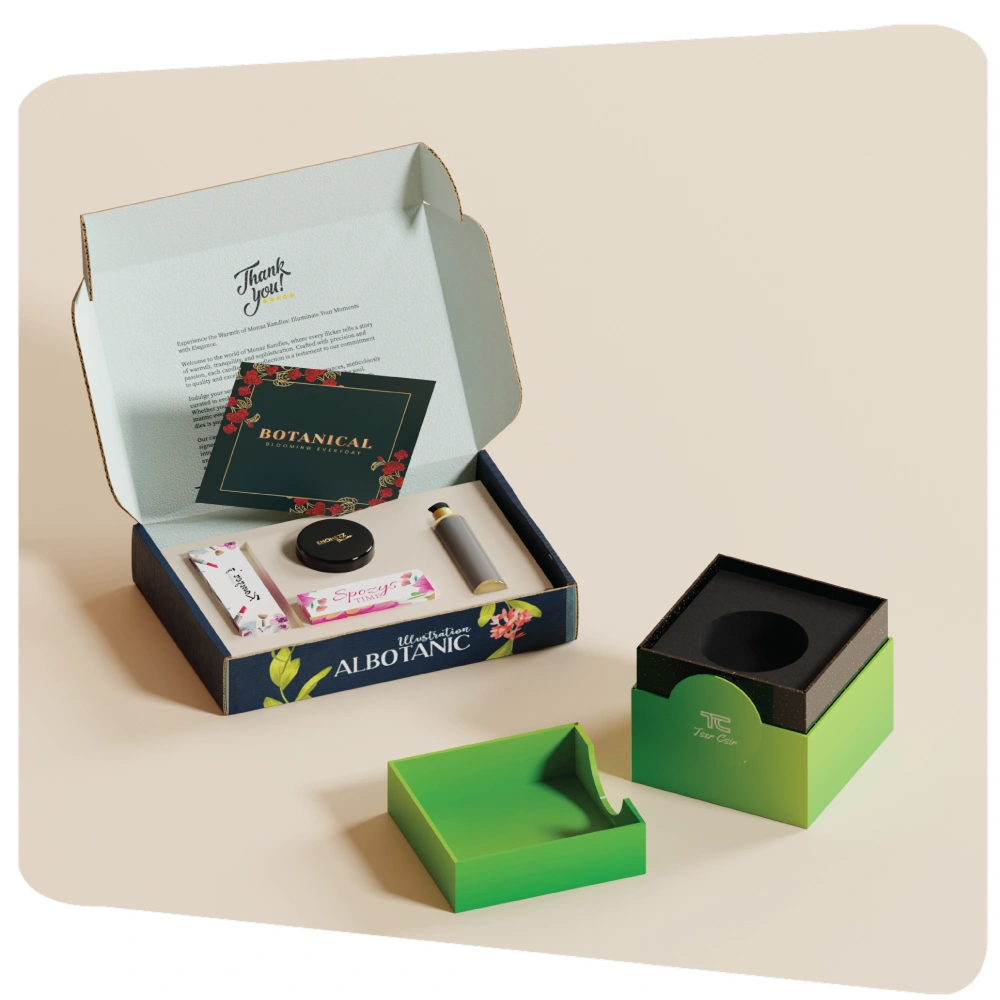
Classic Two-Piece Lid & Base
Timeless telescoping rigid gift boxes crafted from 1200–1800 GSM greyboard wrapped in soft-touch specialty paper with metallic foil hot-stamping.
Inquire NowTechnical Comparison Matrix: Rigid vs. Folding Packaging Formats
Procurement specialists must evaluate weight-to-protection ratios when choosing materials. The table below illustrates structural specifications and performance metrics across common custom jewelry packaging formats:
| Packaging Style | Core Material Specification | Insert Options | Anti-Tarnish Rating | Target Price Tier | Recommended Use Case |
|---|---|---|---|---|---|
| Rigid Magnetic Box | 1400–1800 GSM Industrial Greyboard + 158 GSM Soft-Touch Art Paper | High-Density EVA / Microfiber Velvet | Class A+ (Sulfur-Free) | Luxury / Fine Jewelry ($250+) | Diamond Rings, Watches, Necklaces |
| Sliding Drawer (Matchbox) | 1200 GSM Greyboard + Textured Specialty Paper | Soft Plush Sponge + Satin Pull Ribbon | Class A (VCI Treated) | Mid-to-High Retail ($80–$250) | Earring Sets, Bracelets, Charms |
| Two-Piece Lid & Base | 1000–1400 GSM Greyboard + Metallic Foil Wrap | Velvet Coated Paperboard Insert | Class A (Sulfur-Free) | Retail Gift Sets ($50–$150) | Pendants, Chains, Fashion Jewelry |
| Folding Paperboard Box | 350–450 GSM C1S / C2S Artboard | Die-Cut Kraft Cards / Pouches | Standard Protection | Fast-Fashion / Mass E-Com ($10–$50) | Minimalist Jewelry, Silver Bands |
| Recycled Kraft Box | 300–400 GSM Unbleached Kraft Paper | 100% Recyclable Cotton Fill | Eco-Safe Certified | Sustainable / Artisan ($25–$100) | Handmade & Organic Jewelry |
2. Technical Material Engineering & Anti-Tarnish Protection
A major headache for global jewelry manufacturers is surface oxidation—commonly known as tarnishing—which occurs when silver, brass, and copper alloys react with atmospheric sulfur compounds and moisture during ocean freight or long-term warehousing. Standard low-cost packaging papers often contain residual sulfur compounds from bleaching agents, actively accelerating oxidation.
Key Materials Used in Anti-Tarnish Custom Jewelry Boxes:
- Sulfur-Free Microfiber Velvet: Standard velvet linings contain sulfur traces that cause sterling silver (925) to turn black within weeks. We source certified sulfur-free velvet textiles that provide a non-reactive barrier, maintaining pristine metallic shine for up to 36 months.
- Volatile Corrosion Inhibitor (VCI) Fabrics: For export-grade shipments, our inserts can be impregnated with invisible, odorless VCI molecules. These non-toxic compounds continuously sublimate into the enclosed air space, creating a protective monomolecular layer on all metal surfaces that blocks moisture and corrosive gases.
- Precision EVA (Ethylene-Vinyl Acetate) Inserts: Unlike cheap open-cell sponge foam that deteriorates over time, high-density closed-cell EVA foam maintains its elasticity and structural geometry. Cut with laser precision, EVA slots prevent delicate necklace chains from tangling during transit.
- FSC-Certified Rigid Chipboard Core: Our boxes utilize high-density recycled greyboard ranging from 1.5mm to 3.0mm thickness. This provides structural compressive strength exceeding 800 N, ensuring boxes resist crushing under warehouse stacking loads.
3. Product Development Trends in Custom Jewelry Packaging
The luxury packaging sector is undergoing rapid evolution driven by changing consumer behaviors and technological advancements. Brand directors sourcing custom jewelry packaging must stay ahead of the following development trends:
Tactile & Haptic Finishing
Modern unboxing heavily leverages touch sensory cues. Soft-touch matte laminations combined with debossed foil stamping create a contrast between velvety smooth surfaces and metallic texture.
Modular Universal Inserts
To reduce inventory SKUs, brands are moving toward universal insert designs. A single box shell can house rings, stud earrings, and pendant chains through multi-slot laser-cut EVA pads.
Smart Packaging & NFC Integration
Embedding ultra-thin NFC tags or high-resolution micro-QR codes inside rigid lid walls allows customers to scan boxes for certificates of authenticity, care instructions, and brand storytelling.
4. Future Procurement Trends & Global Supply Chain Dynamics
Global B2B procurement managers facing fluctuating raw material costs, freight tariffs, and tightening environmental regulations must adopt strategic purchasing practices:
1. The Shift to Circular Plastic-Free Packaging
With strict environmental mandates such as the European Union’s Packaging and Packaging Waste Regulation (PPWR), brands are replacing petroleum-derived foam with molded sugarcane bagasse, hemp-fiber cushions, and FSC-certified paper pulp inserts. Manufacturers that offer fully biodegradable rigid boxes will dominate global supply chains.
2. On-Demand Agile Manufacturing vs. Mass Inventory
Carrying excessive packaging inventory ties up working capital. Sourcing models have shifted toward agile, low-MOQ initial orders followed by automated reorder triggers. By offering a Zero Minimum Order Quantity policy, Custom Box Makers allows brands to test limited-edition product drops without inventory risk.
3. Freight Cost & Storage Volume Optimization
Traditional rigid boxes occupy significant cubic volume, driving up air and ocean freight rates. A major sourcing trend is the adoption of collapsible rigid boxes (flat-folding magnetic rigid boxes). These collapse flat during international transit—reducing shipping volume by up to 70%—and assemble into rigid structures upon arrival at fulfillment hubs.
5. Enterprise Manufacturing Advantages: Why Source from Custom Box Makers
Custom Box Makers operates state-of-the-art production facilities engineered specifically for premium packaging. Here is how our operational capabilities empower global brands:
- Strict ISO 9001 Quality Control: Every custom jewelry box undergoes 100% manual inspection for glue alignment, foil sharpness, and closure force.
- No Minimum Order Requirement: Order 1 sample box or 100,000 retail units with consistent color accuracy (Delta E < 1.5).
- Free Structural & Graphic Design: Work directly with senior structural packaging engineers to refine die-lines and surface finishes.
- Fast 8–10 Business Day Delivery: Optimized automated box-forming machinery guarantees fast turnarounds and reliable fulfillment.