Explore our factory-engineered hamburger packaging selection designed for maximum grease resistance, structural rigidity, thermal retention, and eco-friendly compliance.
Combining international packaging science with direct OEM factory pricing to solve local delivery, climate, and compliance challenges.
Every batch produced in our certified factory undergoes rigorous testing for food contact safety, guaranteeing zero toxic migration, heavy metals, or hazardous chemical transfers into hot food.
Engineered micro-venting apertures release trapped internal steam without causing thermal drop, ensuring gourmet burger buns remain crispy during 30-minute delivery rides across South African metros.
Specially coated virgin Kraft paperboard featuring low Cobb water absorption ratings prevents structural softening in humid coastal urban corridors like Cape Town, Durban, and Port Elizabeth.
Factory Insight: Transitioning from legacy single-use plastics to CE-certified sugarcane bagasse and bio-wax coated Kraft paperboard reduces carbon footprints by up to 68% while strictly complying with South Africa's Extended Producer Responsibility (EPR) regulations under the National Environmental Management: Waste Act.
| Packaging Material Substrate | Grammage (GSM) | Oil Barrier Rating (KIT) | Compostability Standard | Recommended Food Application |
|---|---|---|---|---|
| Virgin Unbleached Kraft | 280 - 350 GSM | Kit 8 to Kit 10 | EN 13432 Home Compostable | Classic Cheeseburgers, Smash Burgers, Chicken Sliders |
| Heavy-Duty E-Flute Corrugated | 400 - 550 GSM | Kit 10 to Kit 12 | 100% Kerbside Recyclable | Triple Stack Gourmet Meals, Loaded Fries Combo Boxes |
| Sugarcane Bagasse Pulp | 450 - 600 GSM | Natural Hydrophobic Barrier | ASTM D6400 / OK Compost | Eco-Conscious QSR Outlets, Zero-Waste Delivery Networks |
| Water-Based Aqueous Coated Board | 300 - 380 GSM | Kit 12 (PFAS-Free) | Biodegradable & Repulpable | High-Grease Bacon Burgers, Hot Sauced Crispy Chicken |
The Quick Service Restaurant (QSR) and fast-food takeaway industry in South Africa is undergoing a profound structural shift. Urbanization across major metro regions—including Johannesburg, Pretoria, Cape Town, Durban, and Gqeberha—has created high demand for on-demand food delivery services such as Mr D Food, UberEats, and proprietary delivery fleets. However, delivering hot, high-grease products like smashed burgers, flame-grilled beef patties, and loaded fries over long distances presents significant technical packaging challenges.
To remain competitive, fast-food operators, franchise networks, and ghost kitchens require burger packaging solutions that combine structural integrity, thermal retention, anti-sogginess moisture management, and greaseproofing. Furthermore, with South Africa enforcing stricter waste management mandates and commercial buyers demanding global safety compliance, sourcing directly from a CE certified burger box factory has become a strategic priority for procurement directors.
The CE mark on food packaging materials signifies strict adherence to European health, safety, and environmental protection standards. When importing paperboard and molded-pulp burger boxes into South Africa, CE certification provides verified assurance that the packaging complies with the following critical regulatory frameworks:
One of the primary failure points in takeaway hamburger packaging is oil seepage and bun sogginess. When a hot burger (typically packaged at core temperatures between 75°C and 85°C) is placed inside a closed container, steam evaporates rapidly from the hot meat patty and bun. If the box lacks engineered thermal balance or micro-venting, moisture condenses on the interior lid and drips back down, turning a premium burger into a soggy product.
To evaluate oil barrier performance, our factory utilizes the industry-standard TAPPI T 559 (Kit Test), which measures the resistance of paperboard to hydrocarbon solutions. Ratings range from Kit 1 (minimal barrier) to Kit 12 (highest grease resistance):
South Africa’s diverse climate zones demand specific packaging considerations depending on the local geographical context:
Coastal areas experience high ambient relative humidity (often exceeding 80%). High atmospheric humidity can weaken paperboard fibers if the packaging material has high water absorption rates (Cobb values). Our factory utilizes virgin wood fibers combined with low-Cobb exterior sizing, ensuring that burger boxes maintain their rigid shape and stackability even during humid sea-breeze delivery routes along the Western Cape or KwaZulu-Natal coastlines.
Inland fast-food operations handle massive delivery volumes where scooter drivers stack multiple order bags inside thermal top-boxes. Structural crush strength is paramount. Our heavy-duty E-flute corrugated burger boxes provide exceptional Edge Crush Test (ECT) ratings, preventing bottom boxes from collapsing under the weight of stacked multi-item orders during transit over uneven road surfaces.
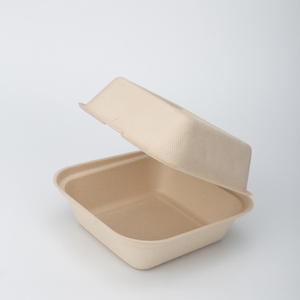
Boutique burger brands and organic food chains operating in places like Stellenbosch, Franschhoek, and the Garden Route prioritize 100% plastic-free, compostable packaging. Our sugarcane bagasse burger boxes—made from upcycled agricultural waste—provide a tactile, natural matte finish that resonates with eco-conscious consumers while meeting zero-waste landfill diversion goals.
Sourcing directly from our centralized manufacturing facility offers distinct strategic advantages over buying through secondary middleman distributors in Southern Africa:
Clear answers to common questions about importing CE certified burger packaging directly to South Africa.
Upgrade your South African QSR packaging with custom greaseproof, eco-friendly burger boxes engineered for optimal delivery performance. Contact our engineering team today for factory-direct wholesale quotes and free sample kits.
Contact Us